




More people are using ski tech than ever before, and digital gear is a growing part of that as more skiers and snowboarders realize the benefits of staying connected on the slopes. These seven accessories cover the gadgets actually worth packing this season, starting with the one every group should have.
1. Ski Helmet Communication
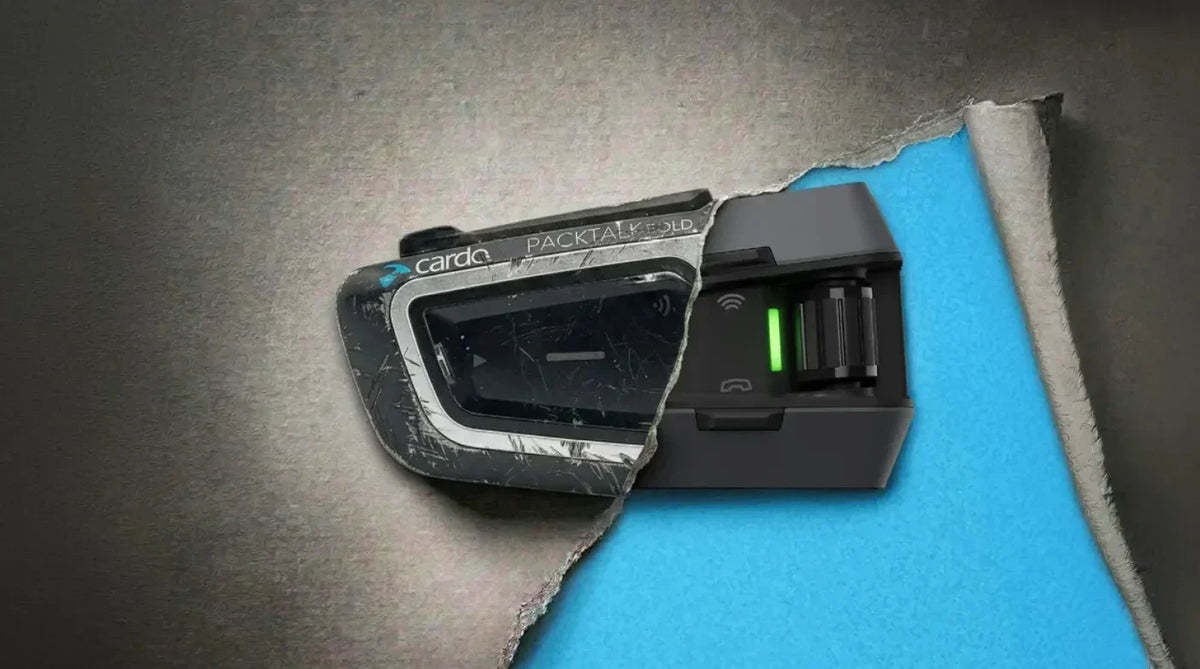
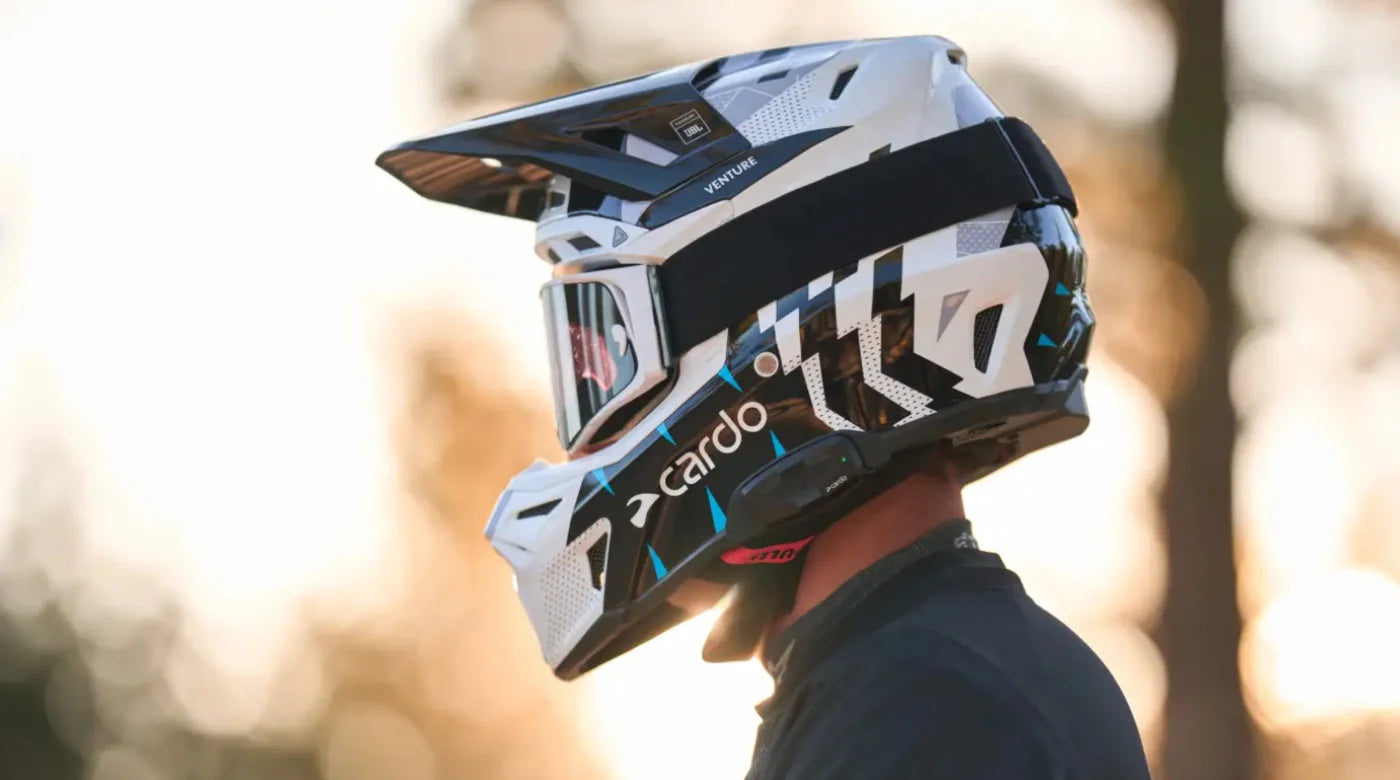
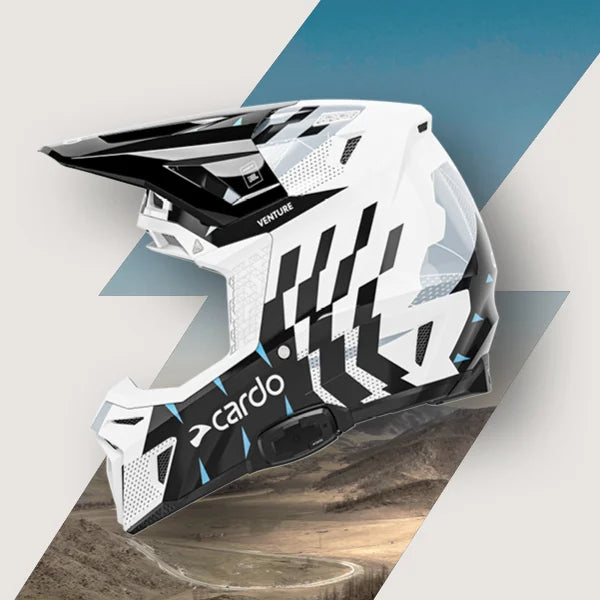
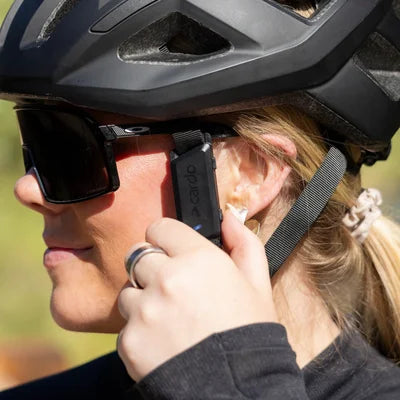
Cardo Systems, the leading brand in motorcycle communication, has revolutionized the way skiers and snowboarders communicate. Packtalk Outdoor uses 2nd Generation Dynamic Mesh Communication (DMC) to connect up to 15 riders wirelessly, so you can talk hands-free anywhere on the mountain. It's a compact unit that clips onto a helmet, without weighing you down. If someone falls out of range, the mesh reconnects automatically rather than needing a manual re-pair, with range up to 0.6 miles between two riders and up to 3 miles across the full group.
It also runs 40mm JBL speakers for calls, or music on a long run, carries an IP67 waterproof rating, and its battery is rated for 10 hours even down to -20°C.
Don't have a helmet yet? Learn how to choose a ski helmet that pairs well with a headset. Skiing with a group of four? The 4-pack bundle sets everyone up with a unit in one purchase.

Grab the Cardo Packtalk Outdoor to Talk Hands-Free
2. Action Camera
Want to upgrade your ski or snowboard footage? Find a high-quality action cam that doesn't break your budget. Entry-level models can shoot solid 4K footage without the premium price tag, and a good mount setup means one less thing to fumble with mid-run.
3. Lens Helmet
Skiing and snowboarding can be a real challenge for anyone who needs prescription eyewear, since wearing glasses under a helmet isn't always comfortable or even possible. A helmet designed to accommodate glasses or sunglasses without compromising fit or safety solves that, though the good ones don't come cheap.
4. Thermal Phone Case
Most riders have trouble leaving their phone behind, but carrying it exposes the device to harsh weather. If you're bringing it along, a waterproof case is the minimum. A thermal case goes further, insulating the battery from the cold so you don't lose power exactly when you need it.
5. Anti-Fogging Goggles
Most ski and snowboard goggles rely on ventilation to prevent fogging, but a dedicated anti-fog pair keeps your vision clear across a wider range of temperatures. Look for vents that let hot air escape rather than trap it against the lens, and a magnetic mount if you like swapping lenses for different light conditions.
6. Heated Ski Clothing

Ski outerwear keeps getting warmer thanks to better heating tech. Heated socks, gloves, and jackets run on rechargeable batteries to keep you comfortable on the trail without relying on layers alone. If heated gear isn't in the budget, removable mid-layers and moisture-wicking base layers in merino wool or synthetic fabrics do most of the same job for less.
7. Ski Bag
Keep your accessories organized with a proper ski bag. You'll want room for water, snacks, navigation gear, hand warmers, and anything else you're not wearing, in a bag tough and water-resistant enough to get tossed around the mountain without complaint.
Frequently Asked Questions
Do I need a ski intercom, or will a walkie-talkie work?
A walkie-talkie works, but it's bulkier than a helmet-mounted intercom and doesn't offer hands-free voice control. Packtalk Outdoor offers a smoother option for group skiing without an external radio to carry, and it connects automatically rather than requiring a button press to talk.
Does ski helmet communication work without cell service?
Yes. Packtalk Outdoor's DMC mesh connects units directly to each other and doesn't rely on cellular or internet signal, which matters most exactly where mountain coverage tends to be weakest.