



Planning your first trip to the slopes and wondering whether to pick up skis or strap into a board?
While both offer an incredible winter adrenaline rush, their learning curves couldn't be more different. As the classic mountain saying goes: Skiing is generally easier to learn; snowboarding is easier to master.
Skiing gives beginners quick wins, allowing most people to navigate easy green runs on day one. Snowboarding brings a rougher start—expect a few bruised knees before it clicks—but once you master the basics, advancing your skills comes fast.
Here is everything you need to know to choose the right sport for your first trip.
To start skiing or snowboarding, you don’t need to be a professional athlete. It’s all a matter of getting used to the equipment and wearing the right gear. Just about anyone can learn how to snowboard or ski if they are patient and willing to learn. You don’t want to be the only one in the lodge on vacation while the rest of your loved ones enjoy the slopes.

Skiing tends to be easier because your feet are attached to two different boards. You can adjust your footing with the skis attached to keep your balance. Your body will also face forward so you can see what’s ahead of you as you go down the mountain.
Cross-country skiing tends to be even easier still, although it requires more physical endurance. When you are moving downhill, you can adjust your speed by leaning forward and back. The downward momentum carries your body down the side of the mountain while you steer to avoid obstacles.
However, cross-country skiing requires you to physically pull yourself through the snow while your skis glide on top of the snow. Expect to get a good workout while cross-country skiing and eat a big breakfast to keep your energy up. You also don’t have to get on the chairlift or face your fear of heights when skiing cross-country. Some beginners have trouble catching the lift as it moves.

Snowboarding tends to be harder to learn than downhill skiing because both feet are attached to the same board. You won’t be able to take a step like you normally would. Instead, you’ll need to lean to the side to move the board. Place your weight on your back foot and use your front foot to steer. Snowboarding also forces you to turn your head in the direction you’re going, cutting off a part of your peripheral vision.
There are a couple of exceptions to this rule. If you have done other sports that require you to balance on one board, such as surfing, paddleboarding or skateboarding, skiing might actually be harder to learn than snowboarding.
Lots of people can lock down the basics of skiing or snowboarding after a couple of days.
Stay Connected with Ski and Snowboard Helmet Communication Devices
It can take several years to get good at skiing or snowboarding and both require regular practice and access to the slopes. If you can’t make it to the mountain, try cross-country skiing or ice skating to maintain muscle memory and work on your balance. Roller blading is a great alternative to skiing. Use skateboarding to practice balancing on a board when you’re not on your snowboard.
Check the difficulty level of the run to ensure you have the skills to get to the bottom. Beginner slopes have less of an incline and fewer obstacles to avoid. Double black or black diamond slopes are the most challenging and require at least 100 days of riding.
Wear the Proper Gear
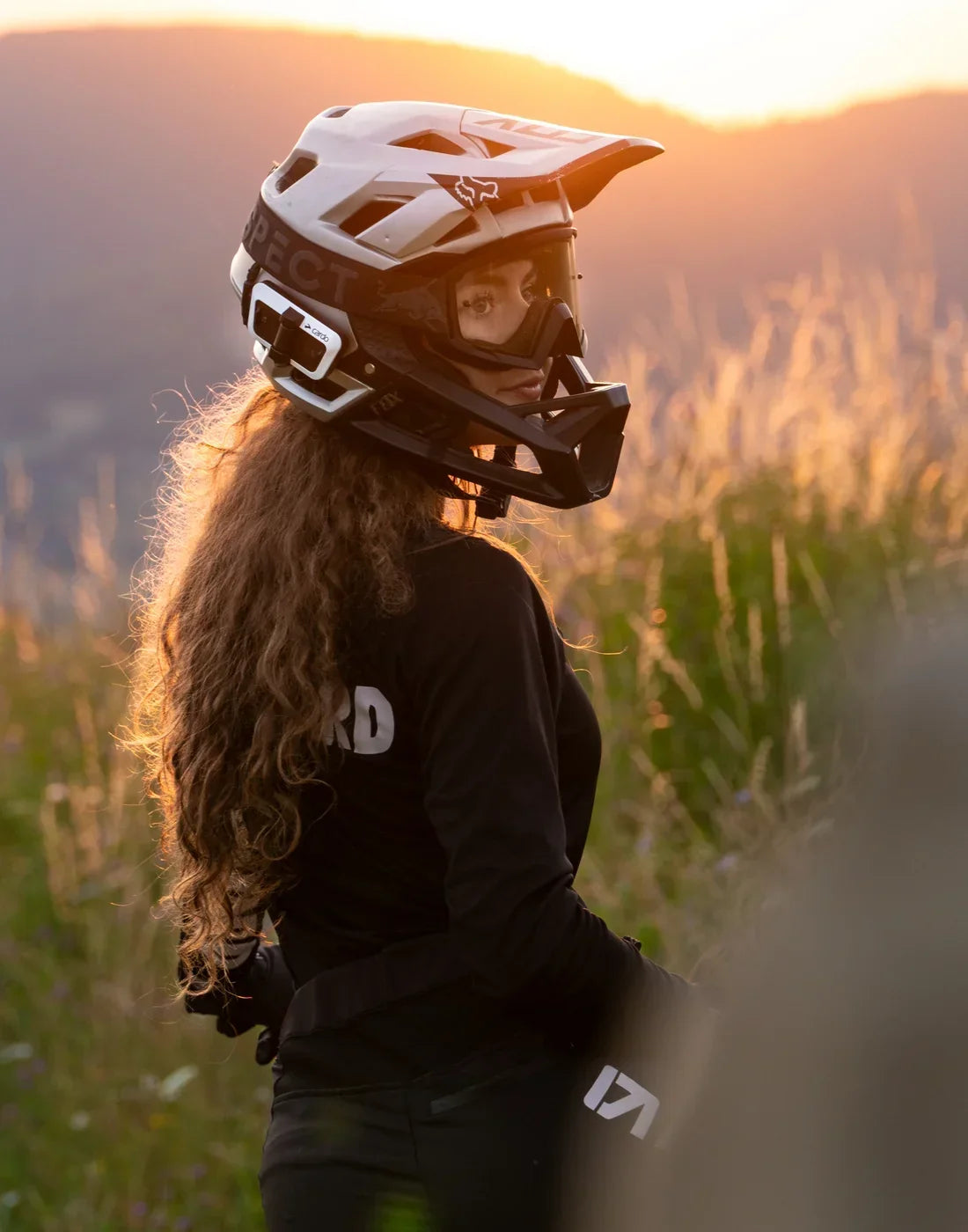
Regardless of which sport you choose, you should wear either a full-face or half-face helmet with goggles to protect your head from injury. Your goggles or the visor on your helmet will also block the glare of the sun to increase visibility. You may think that the snow is soft enough to break your fall, but there are plenty of hazards lurking just beneath the surface.
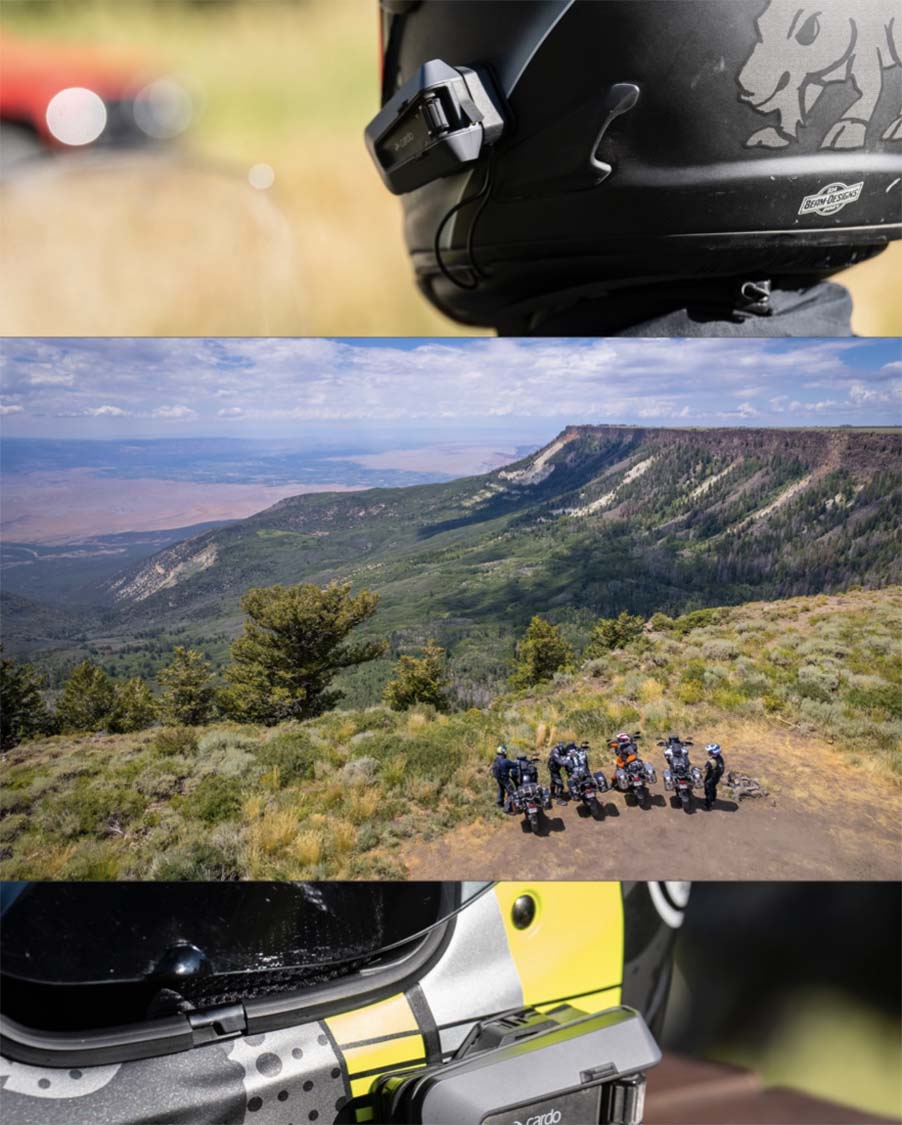
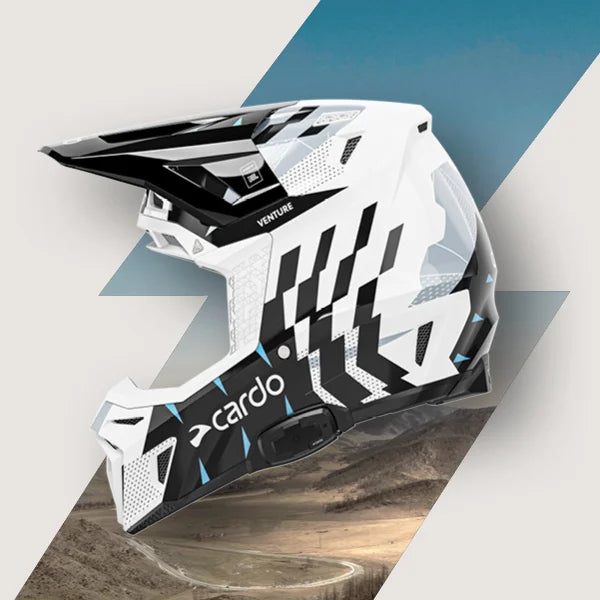
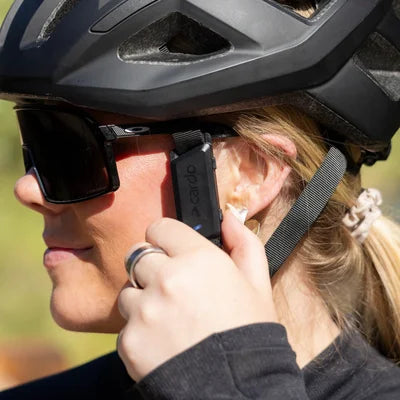
Use a snowboarding or ski helmet communication device to stay connected to everyone in your group. The communicator clips onto your helmet so you can talk directly into the receiver. It uses voice activation, so you don’t have to physically interact with the device to operate it. It will automatically sync up with anyone in your group when they’re in range.
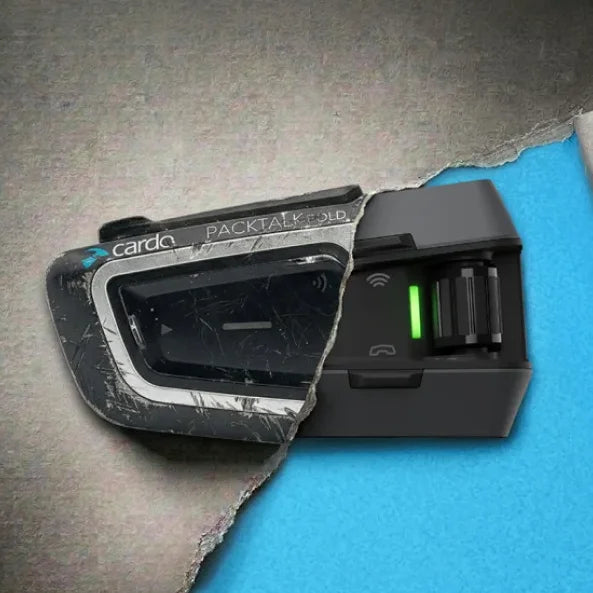
Keep your phone in your pocket when you’re on the slopes, and use the Packtalk Outdoor instead. It connects wirelessly to your mobile device so you can send a call, check the weather or listen to the directions without taking your eyes off the trail. You don’t have to worry about ruining your electronics, and you can keep your hands on the poles where they belong.
Use the Packtalk Outdoor to Stay Safe on the Slopes
Make sure you wear plenty of warm, waterproof layers when you’re having fun in the snow. Use a heavy jacket that will break the wind and long snow pants that go over your boots. Keep a bottle of sunscreen on your person if your skin is exposed to the sun.
At a Glance: Skiing vs. Snowboarding Comparison
|
Category |
Skiing |
Snowboarding |
|
Learning Curve |
Easy start, hard mastery: Quick wins on green runs on Day 1; advanced edge control and moguls take years to perfect. |
Hard start, easy mastery: Steeper initial hurdle with frequent falls; rapid progression once turns click. |
|
Gear & Comfort |
Stiff, clunky boots that are tough to walk in; four pieces of gear (skis, poles, boots). |
Soft, comfortable boots; simpler gear setup (single board, bindings, boots). |
|
Injury Profile |
Higher risk of knee injuries (ACL/MCL sprains) from twisting forces. |
Higher risk of upper-body injuries (wrists, shoulders, tailbone) from falls. |
|
Cost |
Slightly higher: Extra equipment (poles, complex bindings) adds to gear costs. |
Slightly lower: Fewer items to purchase; rentals and lift tickets cost the same. |
Should You Learn How to Ski or Snowboard?
Skiing and snowboarding require similar skills and take about the same time to learn, but choosing between the two depends on your strengths and preferences. Skiing tends to be more intuitive on the first day out, but snowboarding takes less time to master if you want to become a snowsports superstar. If you have trouble keeping your balance, take skiing lessons to move your feet independently from one another. If you have poor eye-hand coordination, take snowboarding lessons to keep your hands free.
Whatever sport you’re leaning towards, remember to wear the proper gear and use equipment designed for your body type. Have an expert inspect your bindings and select the right type of board or sleds for the terrain. Getting a face full of snow is just part of the fun.