




A ski or snowboard helmet is one of the most essential pieces of safety gear for anyone hitting the slopes. Whether you're carving turns in Colorado or exploring backcountry trails in Europe, wearing a helmet drastically reduces the risk of head injury. However, a helmet's protective effectiveness isn't infinite: a ski or snowboard helmet typically lasts 3 to 5 years.
According to helmet manufacturers and safety standards, protective materials like Expanded Polystyrene (EPS) foam degrade over time from UV radiation, temperature fluctuations, sweat, and regular wear. Even if a helmet looks flawless on the outside, its structural integrity decays over time.
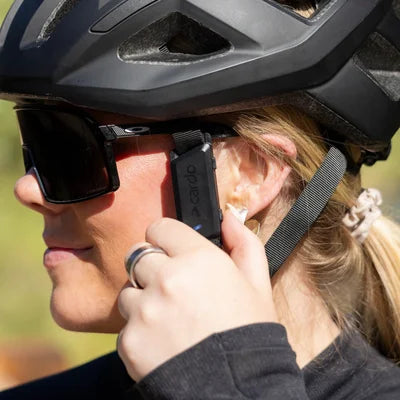
If you are due for a replacement, it is also the ideal time to consider modern safety and connectivity features. Upgrading to a helmet compatible with ski helmet communication systems lets you stay connected with your group, enjoy hands-free audio, and coordinate on the slopes without compromising safety.
Why Ski Helmets Are Essential

Ski helmets provide critical protection by combining shock-absorbing foam with durable outer shells.
-
Brain Injury Protection: Helmets absorb kinetic energy during an impact, reducing the risk of concussions and severe head trauma by up to 60%.
-
Certified Safety: Certified helmets (such as ASTM F2040 or CE EN1077 standards) meet rigorous impact test requirements.
-
Warmth & Comfort: Integrated goggle vents and adjustable airflow keep you warmer than a beanie while preventing overheating and goggle fogging.
-
Modern Connectivity: Modern helmets easily integrate with wireless headsets so you can communicate hands-free across the mountain.
Factors That Shorten Helmet Lifespan
While 3 to 5 years is the general benchmark, certain factors can degrade a helmet much faster:
-
Frequency & Intensity of Use: Aggressive riding, park tricks, tree runs, and severe weather cause accelerated wear and tear.
-
Severe Conditions & Crashes: Riding high speeds on hardpack or ice increases the likelihood of micro-impacts that weaken the EPS foam.
-
Worn Padding: Sweating degrades interior liners over time. While replacement pads can extend comfort, they don't restore degraded structural foam.
-
Chinstrap Deterioration: Frayed nylon, damaged stitching, or weak buckles compromise the helmet's ability to stay securely on your head during a fall.
Helmet Construction: In-Molded vs. Injection-Molded

How your helmet was made directly impacts its durability and lifespan:
-
In-Molded Helmets: The outer polycarbonate shell and inner EPS foam are fused in a single step. They are ultra-lightweight and budget-friendly, but less resilient to heavy abuse—often lasting only 1 to 2 seasons for aggressive riders.
-
Injection-Molded (ABS) Helmets: A high-impact plastic shell is molded separately and bonded to the foam. They are slightly heavier but far more durable against daily bumps and rough handling.
-
Cost vs. Longevity: Investing in a durable, high-quality helmet usually saves money over time by lasting longer while providing superior multi-impact protection.
Signs Your Ski Helmet Needs Replacing
Inspect your helmet before every season. Replace it immediately if you notice any of these key warning signs:
-
Visible Shell Damage: Cracks, dents, deep gouges, or peeling outer layers.
-
Compromised EPS Foam: Cracks, indentations, or foam that feels brittle or flaking.
-
Loose or Degraded Padding: Inner foam that has flattened, frayed, or lost its snug fit.
-
Frayed Straps or Faulty Buckles: Rips in the chinstrap fabric or buckles that no longer click securely.
-
Visor Issues: For visor helmets, heavy scratches, broken mounts, or persistent fogging that impairs sight lines.
-
Impact History: Any fall where your head hit the snow, ice, or obstacles—even if no damage is visible on the shell.
-
Age Marker: Check the manufacture date sticker inside the liner. If it is older than 5 years, the foam has naturally degraded.
How to Extend the Life of Your Helmet

Proper care helps your helmet reach its full potential lifespan:
-
Store Correctly: Keep your helmet in a cool, dry place away from direct sunlight, heat sources, or vehicle trunks. Use a protective helmet bag.
-
Clean Gently: Wash the outer shell with lukewarm water and mild soap. Air-dry removable liners completely before storage to prevent mold.
-
Avoid Chemicals: Never apply solvents, bug sprays, or petroleum-based cleaners, as they chemically break down EPS foam.
-
Inspect Regularly: Check straps, buckles, and inner foam before your first run of every trip.
Time to Replace? Upgrade Your Slope Experience
When it's time to replace an aging helmet, don't just restore your safety—upgrade your entire mountain experience.
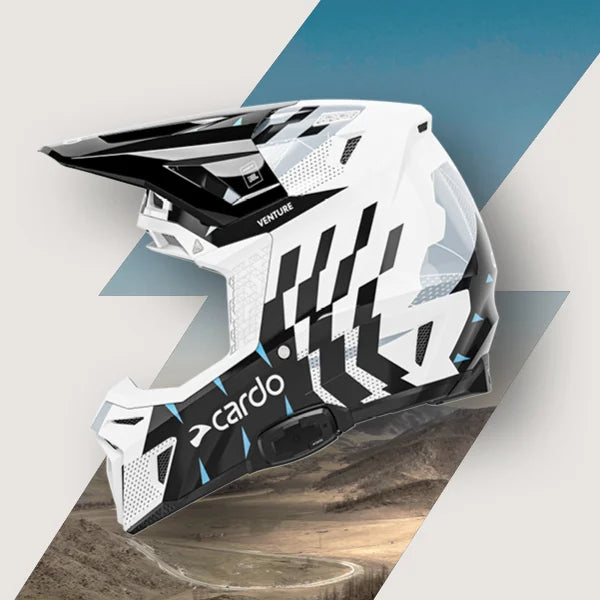
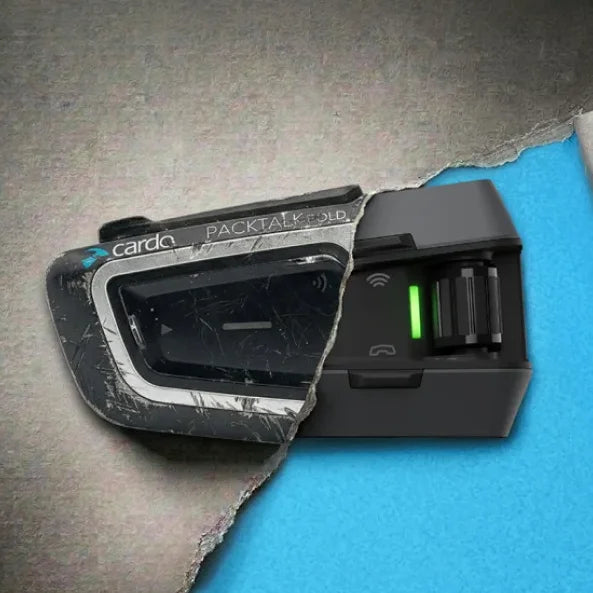
Pairing a fresh helmet with top-tier communications brings crystal-clear group talk and premium JBL sound straight to your ears. Explore the Cardo Outdoor Collection and check out the PACKTALK OUTDOOR to experience hands-free, dynamic mesh communication on every run without ever touching your phone or taking off your gloves.