



There are four main types of motorcycle brands, grouped by where they come from: American, Japanese, European, and emerging manufacturers from India and China. American brands own the V-twin cruiser. The Japanese Big Four built their name on reliability and value. European makers lead on performance and engineering, and the emerging brands win riders over with capable bikes at lower prices.
Every rider has a brand that feels like home. Some chase the precision of German engineering, others want the rumble of an American V-twin under them on a Sunday morning. This guide breaks down each type of motorcycle brand by region and what every manufacturer does best, so you can match a machine to the riding you do. Pair that machine with a good motorcycle communication system and long days in the saddle get a lot better.
American Motorcycle Manufacturers
American motorcycle manufacturers are built around the big V-twin cruiser and the long-distance bagger. Harley-Davidson and Indian have traded on that formula for more than a century, while Zero Motorcycles leads the country's move into electric bikes.
Harley-Davidson
No brand is more tied to the idea of a motorcycle in America than Harley-Davidson, building in Milwaukee, Wisconsin since 1903. Harley put the V-twin cruiser on the map and still owns that space, trading on classic looks, deep customization, and a sound nobody else quite matches. The premium price tag comes with the territory.
 -
The Softail family covers the heart of the cruiser range, giving you a hardtail look with modern suspension and plenty of room to build the bike your way. For riders who cover real distance, the Road Glide pairs a booming V-twin with a fixed fairing that smooths out the miles on tour.
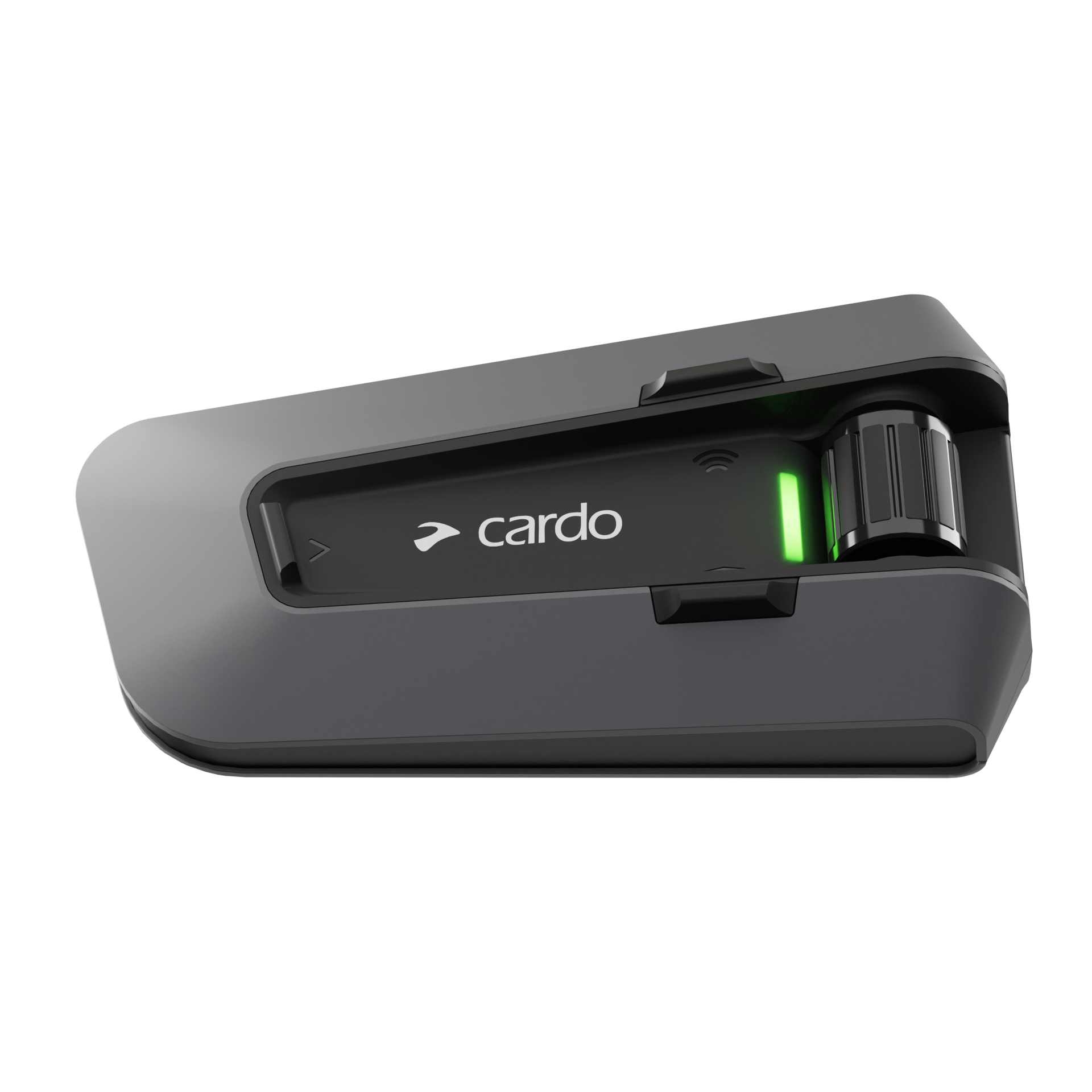
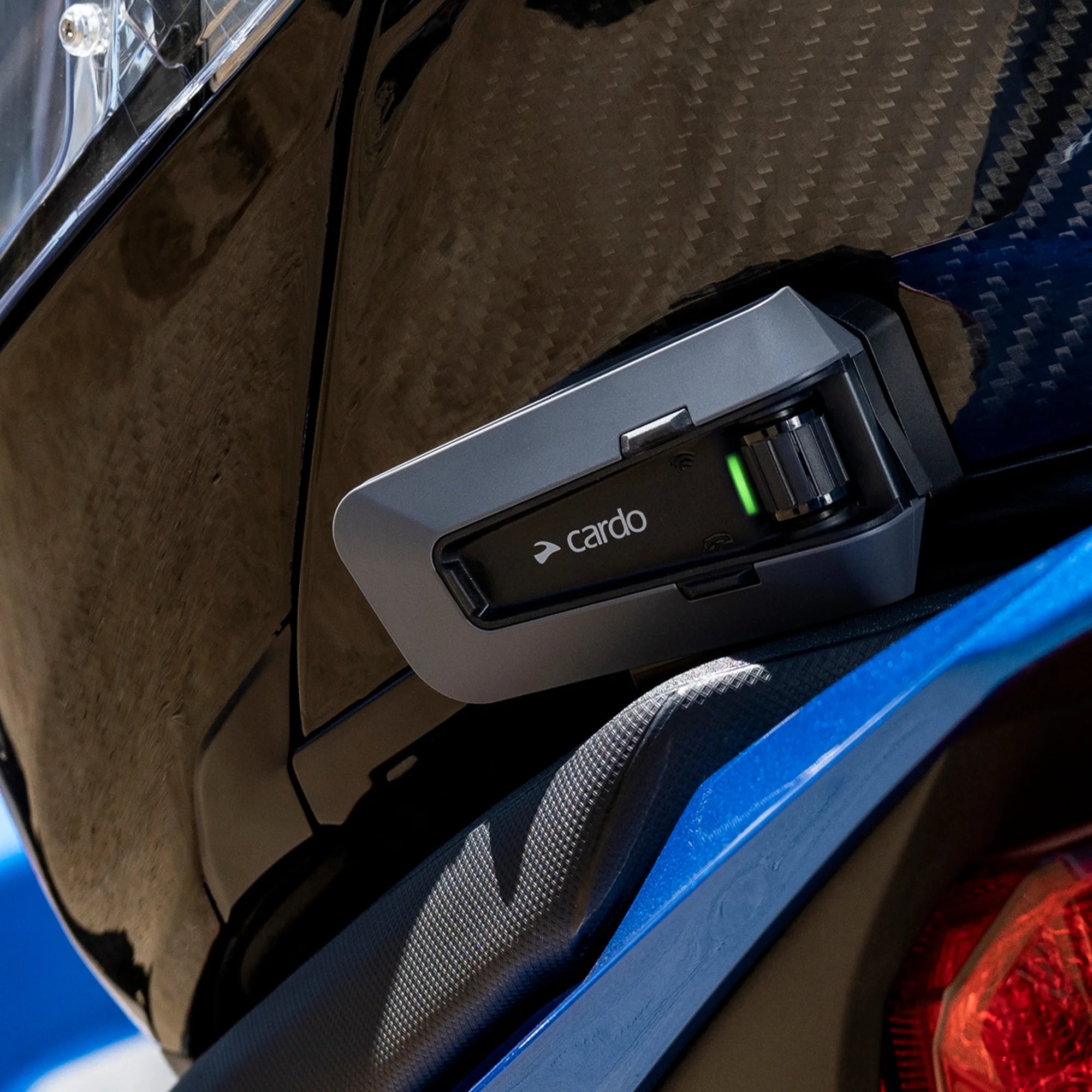
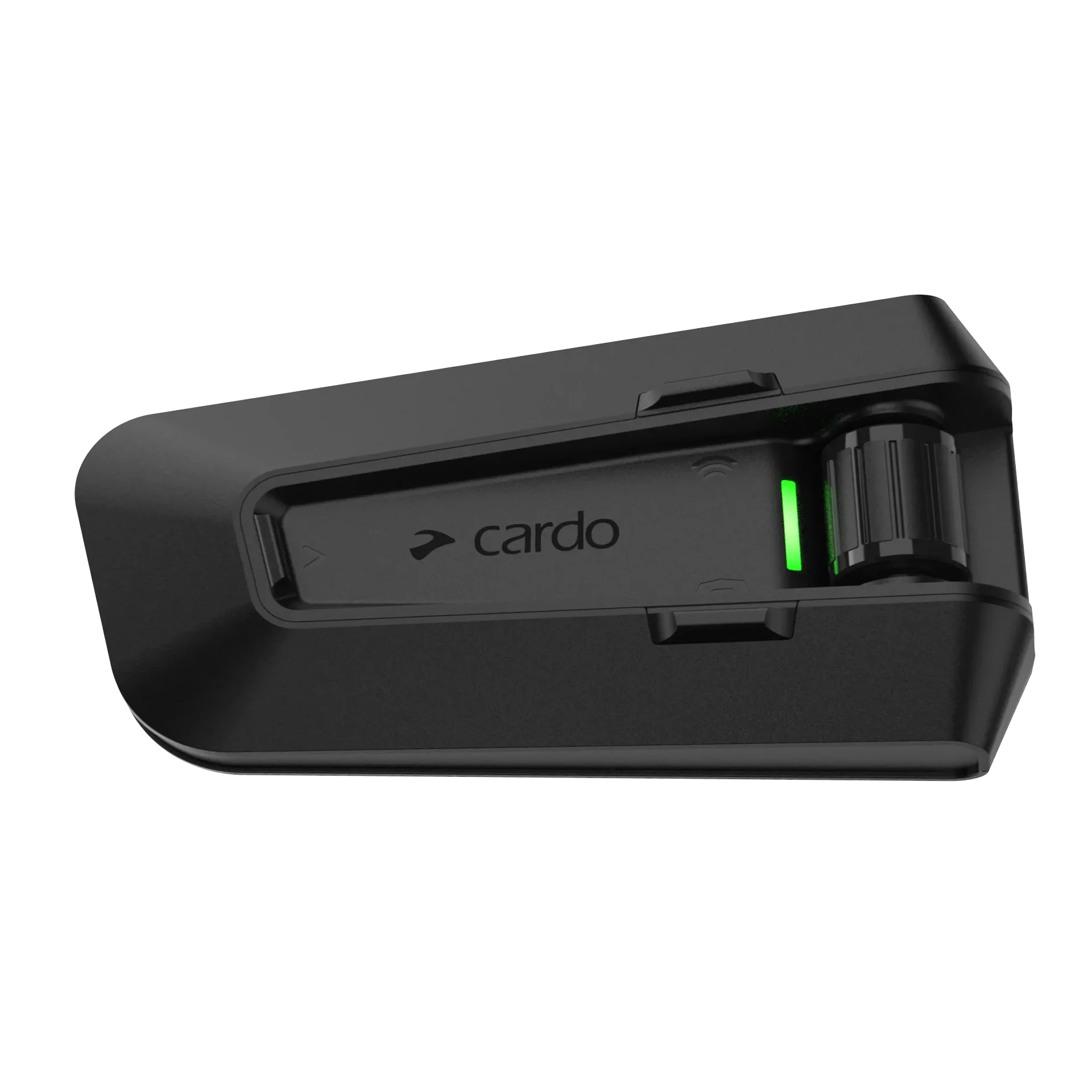
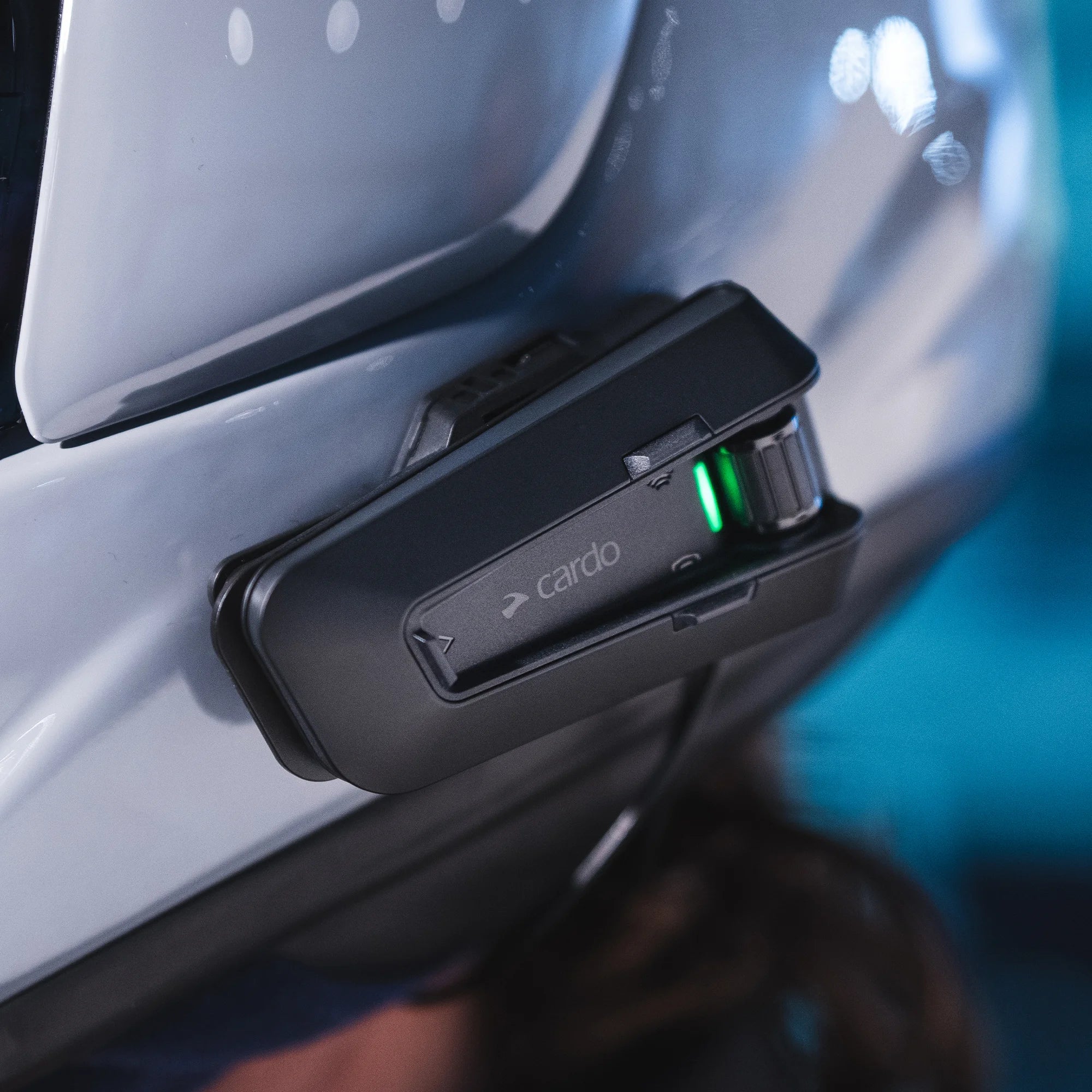
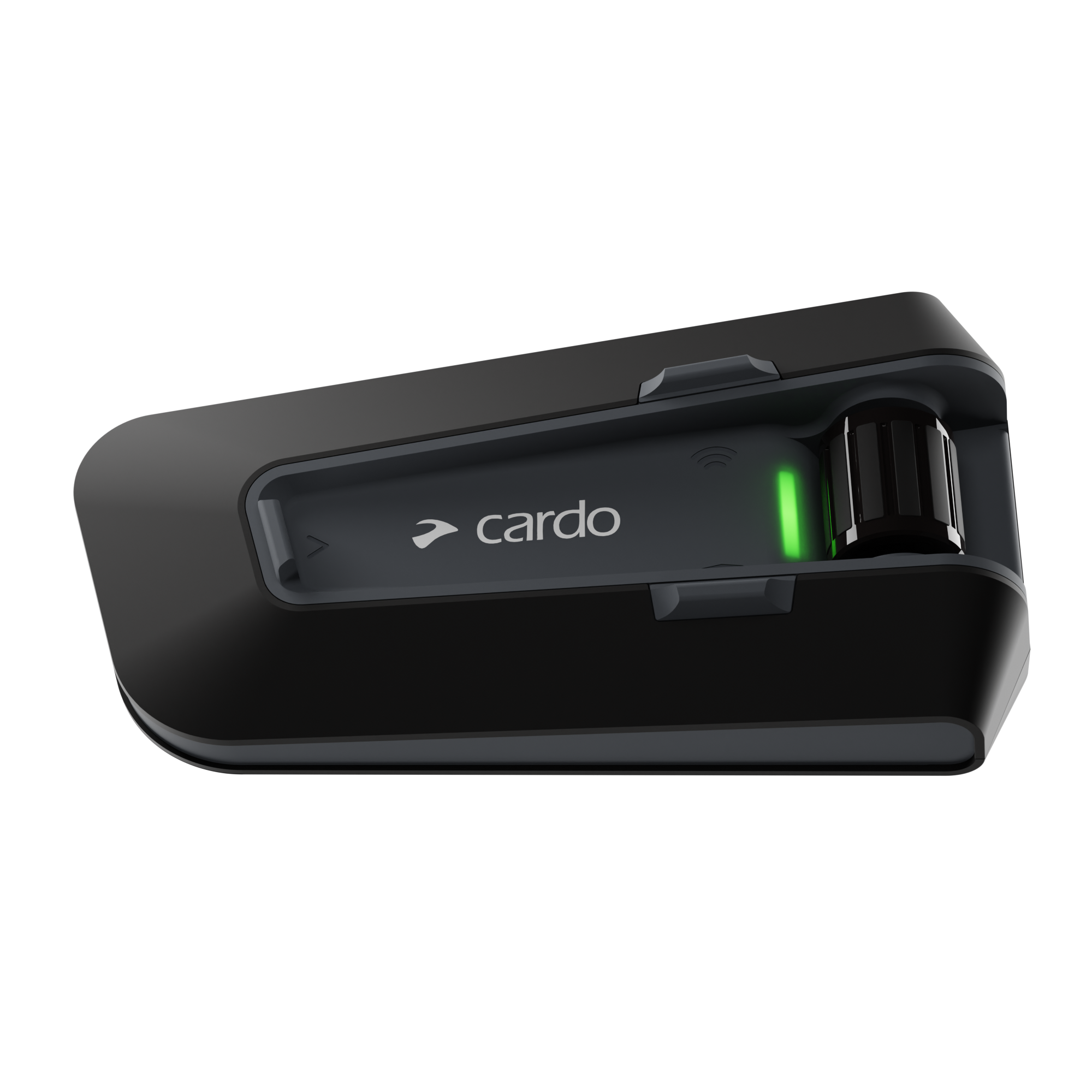
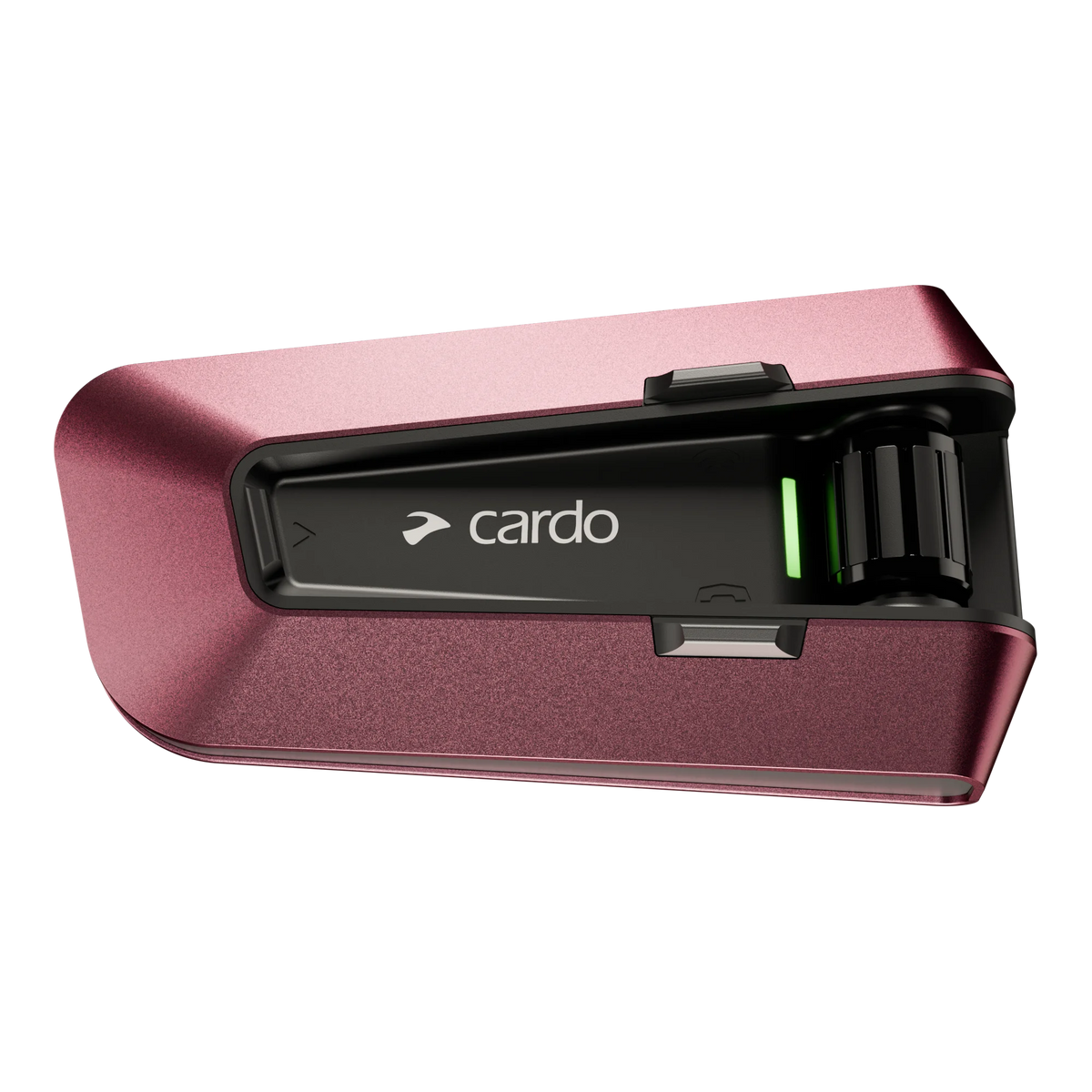
Newcomers who want the badge without the bulk have landed on the Nightster, the liquid-cooled Sportster that took over as Harley's accessible entry cruiser after the air-cooled Iron 883 was retired in 2022. Cruiser culture runs on group rides and club runs, and that is where mesh intercoms shine. A set of PACKTALK EDGE units keeps a pack of up to 31 riders talking on a single self-healing network, so a dropped signal at the back does not cut off the whole group.
Indian
Indian is the other great American motorcycle name, and the only one that can rival Harley for history, tracing its roots to 1901. After decades of struggle, the brand found new life once Polaris took over in 2011, and today it builds premium cruisers and baggers from its base in Minnesota.
The Scout is the model that brought many riders back to Indian, a low-slung cruiser that manages to feel nimble and comfortable at the same time, with stripped-down Bobber variants for a leaner look. Move up the range and the Chief delivers classic American muscle with modern underpinnings. For riders chasing luxury touring, the Roadmaster goes all in on comfort, storage, and a big, torque-rich engine that eats up long hauls without complaint. These are bikes made for covering ground with a partner or a group, so route planning matters. The Cardo Ride app handles turn-by-turn navigation, motorcycle-specific routing, and shared rides, then links back to your unit for hands-free control.
Zero Motorcycles
Zero Motorcycles has built electric bikes in Scotts Valley, California since 2006, long before the big manufacturers took electric seriously. Where Harley and Indian sell on the sound of a V-twin, Zero sells on instant torque, near-silent running, and almost no routine maintenance.
The SR/F is the flagship naked streetfighter, the SR/S wraps the same platform in a sport fairing for highway comfort, and the DSR/X takes the brand into adventure touring. For riders who want something lighter, the FX range covers dual-sport and urban riding. A quiet electric drivetrain also makes helmet audio clearer, so calls, music, and intercom chatter come through with less engine noise to fight against.
Japanese Motorcycle Manufacturers
The Japanese motorcycle manufacturers, known as the Big Four, are Honda, Kawasaki, Suzuki, and Yamaha. Between them they cover nearly every category, from 300cc starter bikes to superbikes with more than 200 horsepower, and they set the benchmark for reliability and value that every other region gets measured against.
Honda
Honda makes more engines than almost anyone on earth, from lawnmowers to sedans, and it has built motorcycles since the late 1940s out of Tokyo, Japan. Riders keep coming back for two reasons: Honda bikes run more or less forever, and they hand you a lot of motorcycle for the money.

The Rebel remains one of the best-loved starter bikes ever made, splitting the difference between cruiser and standard styling and scaling from the beginner-friendly 300 up to a torquey 1100. The CB range gives you light, sporty naked standards, with the CB300R suiting new riders and the bigger CB1000 offering a serious jump in power for experienced hands. At the top sits the Gold Wing, one of the most complete touring bikes on the planet, loaded with comfort features and built-in audio and navigation tech for riders who treat the interstate as a destination. Even so, plenty of Gold Wing owners add a dedicated intercom so passengers and riding partners stay in the conversation.
Kawasaki
Kawasaki grew out of Kawasaki Heavy Industries, a Japanese giant founded in 1896 whose reach extends far beyond bikes into ships, trains, and aerospace. On two wheels, the company is best known for the Ninja, but the range spans cruisers, naked bikes, and adventure machines, often at prices that undercut rivals.

The Ninja line has become one of the most popular sport-bike families in the world, running from the approachable Ninja 400 that new riders love up to the supercharged, road-scorching Ninja H2. If you want one bike that does a bit of everything, the Versys blends adventure styling with real-world comfort for commuting and weekend trips alike. And the Vulcan proves a Japanese cruiser can go toe to toe with the American icons, its V-twin smooth and strong enough to make long rides a pleasure. Kawasaki's value-first approach makes it a natural pick for riders who want performance without overspending.
Suzuki
Suzuki has been building vehicles in Hamamatsu, Japan since 1909, and it rounds out the Big Four of Japanese motorcycle makers with a full spread of sport bikes, cruisers, and adventure models. Prices sit a notch above Kawasaki, but the engineering backs it up.

The Hayabusa needs little introduction. One of the fastest and most iconic production sport bikes ever built, it returned in a third generation with sharper electronics and the same unmistakable full-fairing silhouette. On the cruiser side, the Boulevard sets itself apart from the American heavyweights with cleaner, more modern lines and a range of models at reasonable prices. Riders who love exploring back roads swear by the V-Strom, a rugged adventure-tourer whose fuel economy and reliability make it a trustworthy companion for the kind of trip where the next gas station is an hour away.
Yamaha
Yamaha started life as a piano and organ maker in 1887, and its motorcycle division, Yamaha Motor Company, spun off in 1955 to build the two-wheelers riders know today. Like Honda, Yamaha earns its reputation on reliability and fine-tuned engineering across a wide catalog of machines.

The MT series leads Yamaha's hyper-naked charge, matching sporty handling to a stripped-back design that makes every ride feel athletic. Sport riders reach for the YZF-R family, which runs the full price spectrum from the beginner-friendly R3 to the track-focused R1M, all sharing the crisp handling Yamaha builds into everything it makes. For adventure, the Ténéré 700 has earned a devoted following, pairing a punchy engine with long-travel suspension that handles city streets and remote trails with equal confidence. Whichever Yamaha fits your style, you are buying into a catalog built on dependable engineering.
European Motorcycle Manufacturers
European motorcycle manufacturers lead on performance, engineering, and design. Germany, Austria, and the UK each have a flagship maker, and Italy has several brands with racing histories that stretch back a century. Expect higher prices than the Japanese brands, with technology and character to match.
BMW Motorrad
From its base in Munich, Germany, BMW has been building motorcycles since 1923, and BMW Motorrad still turns out some of the most technically advanced bikes on the road. Riders know the brand for German precision, boxer-twin engines, and a lineup that runs from touring machines to track weapons.
The R1300GS is the model most people picture first. This big adventure-touring enduro replaced the long-running R1250GS in 2024, shedding weight while gaining power and sharper electronics, and it remains the benchmark that every other adventure bike gets measured against. If your taste runs faster, the S1000RR is a street-legal superbike descended from BMW's World Superbike program, with around 205 horsepower and a chassis built to use it. For riders who want that same engineering in a stripped-back street package, the R1300R roadster carries the naked-bike torch with the sharp handling BMW is known for. Long GS tours and solo backroad days are where automated safety features earn their place, which is why many adventure riders run the PACKTALK PRO, with its built-in Crash Detection that sends an automatic alert and your location to an emergency contact in supported regions.
Ducati
Ducati has been a fixture of Italian motorcycling since 1926, working out of Bologna where it turns out some of the most beautiful and quickest machines money can buy. The brand made its name on racing pedigree, and that DNA shows up across the whole range.

The Panigale is the bike that defines Ducati for most people, a V4 supersport whose top-tier V4 R version borrows aerodynamics and electronics straight from MotoGP and serves as the homologation base for World Superbike. Not every Ducati lives at the track. The Multistrada V4 pulls the same V4 muscle into a genuine adventure-tourer, with a Rally edition built for two-up trips across long distances and rough surfaces. At the friendlier end sits the Scrambler, whose retro looks and lighter, more forgiving character make it a fine entry point for riders who want Italian style without a superbike price or a superbike's demands.
KTM
Austria's KTM has grown from a modest Mattighofen workshop, founded in 1934, into one of Europe's largest motorcycle makers and a dominant force in sport, naked, and adventure design. The appeal is European performance without the eye-watering price some rivals charge, wrapped in a no-nonsense, race-bred attitude.
The Duke is KTM's flagship naked bike, loved for razor-sharp handling and aggressive styling, and it scales from the lively 390 up to the ferocious 1390 Super Duke. Riders who want to leave the pavement gravitate to the Adventure range, purpose-built to shrug off rough roads and long distances in several engine sizes. For track-minded beginners, the RC 390 packs a torquey engine and handling that punches well above its class into an affordable supersport. Across the board, KTM bikes reward riders who want to feel the road working beneath them. That same value-for-performance mindset carries over to comms: the PACKTALK NEO gives KTM Adventure groups the same 31-rider DMC mesh as the flagship units, without paying for Air Mount or Crash Detection features a lot of off-road riders won't lean on.
Triumph
Triumph carries the flag for British motorcycling, tracing its name back to 1902 and building modern bikes out of Hinckley in the UK. The brand mixes genuine performance with the kind of timeless styling that keeps its classic models in constant demand. Prices land in the mid-to-high range, and most owners will tell you the quality justifies it.
The Street Triple is an ultra-light naked roadster that suits riders of every skill level and feels as at home on a track day as it does on a commute. Fans of heritage design flock to the Bonneville range, modern bikes built as a tribute to the legendary 1959 original, with all the reliability and electronics current riders expect. And for anyone who craves raw grunt, the Rocket 3 wields one of the largest production engines in motorcycling, putting out around 165 horsepower and enough torque that it pulls hard from almost any speed.
Aprilia, Moto Guzzi, and MV Agusta
Italy's smaller makers punch well above their sales numbers. Aprilia, based in Noale and part of the Piaggio Group, builds race-bred sport bikes like the RSV4 superbike, the Tuono V4 naked, and the lighter RS 660, all known for advanced electronics and sharp handling. Moto Guzzi has built bikes on the shores of Lake Como since 1921 and is instantly recognizable by its transverse V-twin and shaft drive, with the V85 TT and Stelvio carrying that character into adventure touring. MV Agusta, from Varese, sits at the exclusive end of the market with the F3 supersport and the Brutale naked, bikes bought as much for their styling as their speed.
Emerging Motorcycle Manufacturers
Emerging motorcycle manufacturers come mostly from India and China. They started with small commuter bikes for huge home markets and now build middleweight machines that compete with the established brands on price and features in the US and Europe. Many of them also build bikes for the legacy names, so their engineering is already on the road under other badges.
Royal Enfield
Royal Enfield is the oldest motorcycle brand in continuous production, with roots in Redditch, England in 1901. Today it is owned by India's Eicher Motors and builds its bikes in Chennai, and it has turned into one of the most successful names in the middleweight class worldwide.
The Classic 350 and Bullet 350 keep the retro single-cylinder formula alive for riders who want simple, affordable machines with old-school looks. The Himalayan 450 is a purpose-built adventure bike that handles rough trails at a fraction of the price of European rivals. The 650 twins, including the Interceptor, Continental GT, and Super Meteor cruiser, give experienced riders more power while keeping running costs low.
CFMOTO
CFMOTO was founded in Hangzhou, China in 1989 and has grown into the most visible Chinese motorcycle brand in Western markets. A long-running partnership with KTM gave it access to European engine technology, and it now sells sport, naked, and adventure bikes along with ATVs and side-by-sides.
The 450SS sportbike and 450NK naked deliver features usually found on far more expensive machines, including TFT dashboards and quality suspension. The 800MT adventure-tourer runs a KTM-derived parallel twin and goes up against the bigger European adventure bikes at a lower price. For riders building a first garage, CFMOTO offers a lot of equipment for the money.
Bajaj and Hero MotoCorp
India's two volume giants build more motorcycles every year than most Western brands sell in a decade, and both have tied themselves to established names. Bajaj, based in Pune, builds the smaller KTM and Husqvarna models along with the Triumph Speed 400 and Scrambler 400 X, alongside its own Pulsar and Dominar ranges. Hero MotoCorp, the world's largest two-wheeler maker by volume, builds the Harley-Davidson X440 for India and sells its own Xpulse adventure bikes. Most of their bikes never reach US showrooms under their own badge, but riders on a 390 Duke or a Speed 400 are already riding Indian-built engineering.
Choosing the Right Brand for You
Start with the type of motorcycle brand that suits your riding. An American cruiser fits relaxed highway miles, a Japanese bike gives you reliability and value, a European machine delivers performance and technology, and an emerging brand puts capable hardware within reach on a tighter budget. From there, the best way to judge any brand is to throw a leg over one of its bikes and ride. Specs and reviews only tell you so much, and the machine that feels right to one rider can feel all wrong to another. Take test rides, talk to owners, and pay attention to how a bike makes you feel in the first mile.
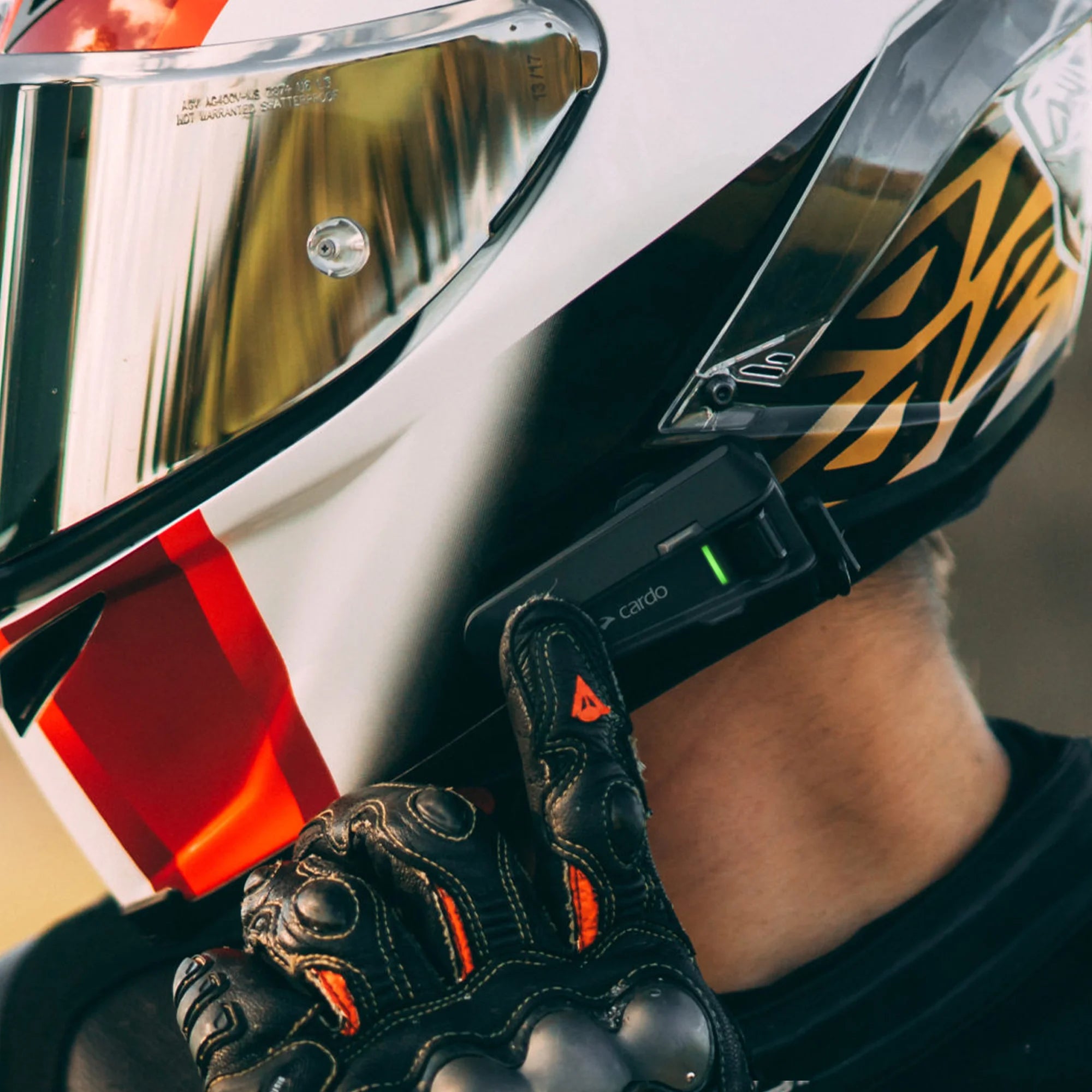
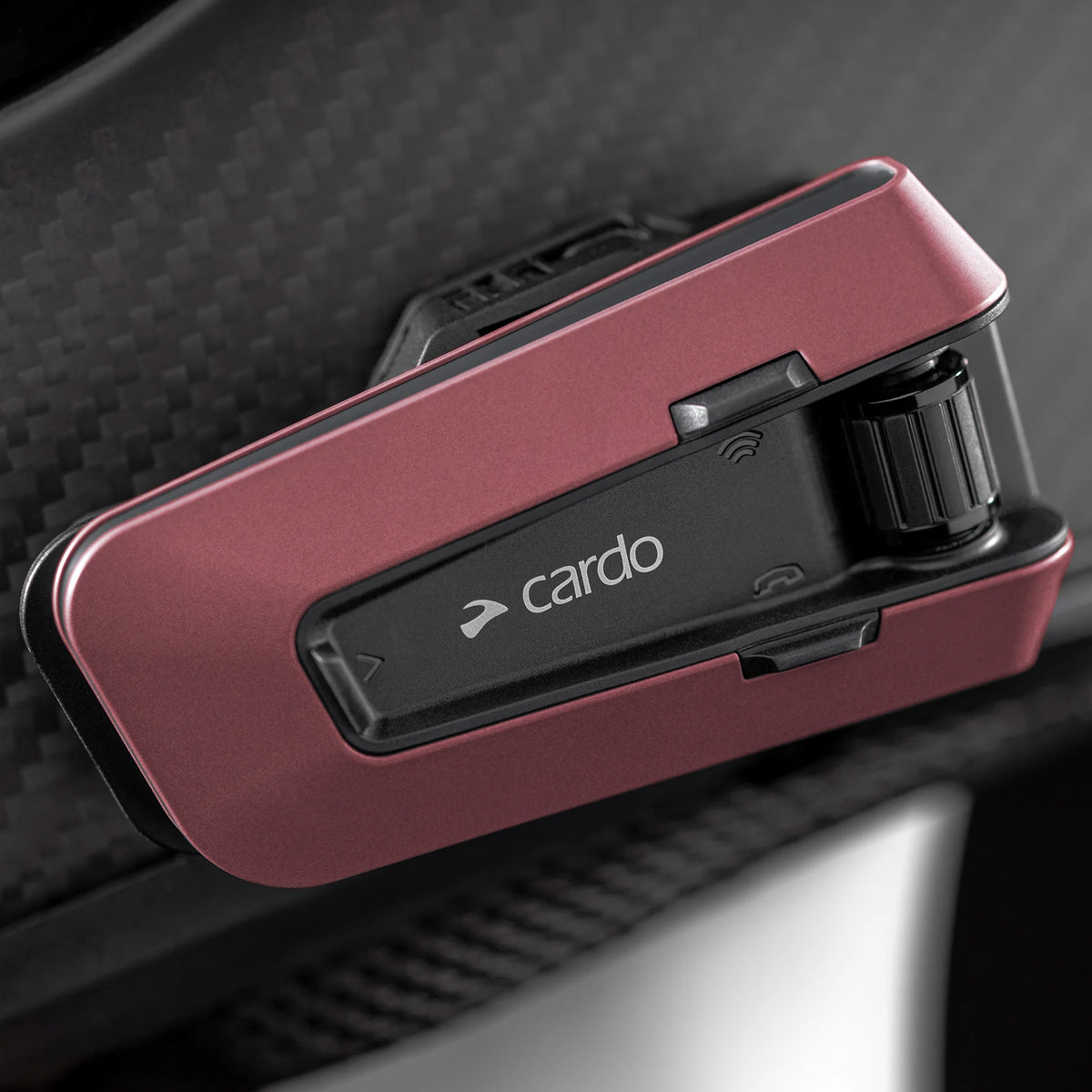
Whatever you end up riding, the right gear turns a good bike into a great experience. Cardo Systems builds motorcycle communication systems that let you talk to your group, take calls, hear turn-by-turn directions, and play music without ever reaching for your phone.
If you are weighing your options, the product comparison page lays out how each unit stacks up, from the flagship PACKTALK PRO down to the FREECOM 4X, so you can match your intercom to your bike and the way you ride.
Motorcycle Brands - FAQs
What are the different types of motorcycle brands?
Motorcycle brands are grouped into four main types by region: American, Japanese, European, and emerging. American brands like Harley-Davidson and Indian focus on V-twin cruisers, the Japanese Big Four of Honda, Kawasaki, Suzuki, and Yamaha lead on reliability and value, and European makers like BMW, Ducati, KTM, and Triumph lead on performance. Emerging brands such as Royal Enfield and CFMOTO compete on price and accessible capability.
What is the most reliable motorcycle brand?
Honda is the brand riders and reliability surveys name most often, thanks to engines that routinely pass 50,000 to 100,000 miles on basic maintenance. Yamaha sits right alongside it, and Suzuki and Kawasaki round out the Japanese group known for going years without major repairs. Reliability still comes down to the specific model, year, and how well the previous owner cared for the bike.
What is the best motorcycle brand for beginners?
Honda and Yamaha are the go-to choices for new riders, built around lightweight, forgiving bikes like the Honda Rebel 500 and the Yamaha MT-03 that balance approachable power with easy handling. Both brands hold their value and have wide dealer networks, so first-time buyers get affordable servicing and simple resale later.
What is the best motorcycle brand for long-distance touring?
Harley-Davidson, BMW Motorrad, and Indian lead the touring category, with models built for comfort, storage, and all-day mileage. BMW's R1300GS covers adventure touring, Harley's Road Glide and Indian's Roadmaster handle luxury highway miles, and all three pair well with a helmet intercom for calls, music, and turn-by-turn directions on long hauls.
What are the best American-made motorcycle brands?
Harley-Davidson and Indian are the two leading American motorcycle brands, both known for V-twin cruisers and touring bikes with deep heritage. Harley traces back to 1903 and Indian to 1901, and each has a loyal following built on classic styling and strong resale demand. Zero Motorcycles leads the American electric segment.
Which motorcycle brands hold their value best?
Harley-Davidson, BMW, and Honda tend to retain value the best, driven by strong resale demand, proven reliability, and wide dealer support. Limited-run and heritage models hold value especially well, while depreciation on any bike depends heavily on mileage and condition.
What is the best-selling motorcycle brand in the world?
Honda is the best-selling motorcycle brand globally, having sold more than 300 million bikes, led by the iconic Super Cub. Its lineup spans nearly every category, from the beginner-friendly Rebel to the flagship Gold Wing tourer, which keeps it at the top of worldwide sales.