




Active Noise Cancellation: How to Tame the Roar Without Killing the Ride
Wind is romantic... for about the first five minutes.
After that, it’s just a sustained assault on your ears — a low-frequency roar that turns every highway ride into a test of endurance.
That’s where Active Noise Cancellation comes in.
Not to mute the ride — but to remove the parts of it that actively make riding fatiguing and tedious.
What ANC Actually Does (The Short Version)
ANC is basically sound judo.
Tiny microphones listen to the noise your ear is about to hear.
A processor analyzes that noise and creates an equal-but-opposite sound wave — like +1 meeting −1.
The two collide. The noise cancels itself out. Your ears get a break.
This works brilliantly for steady, predictable sounds — engine drone, low-frequency hum, background resonance.
Which is why ANC has thrived in airplanes, luxury cars, and headphones.
Motorcycles, unfortunately, are none of those things.
Why Motorcycle ANC Is So Damn Hard
If ANC were easy to do on a motorcycle, everyone would already be doing it properly.
They’re not.
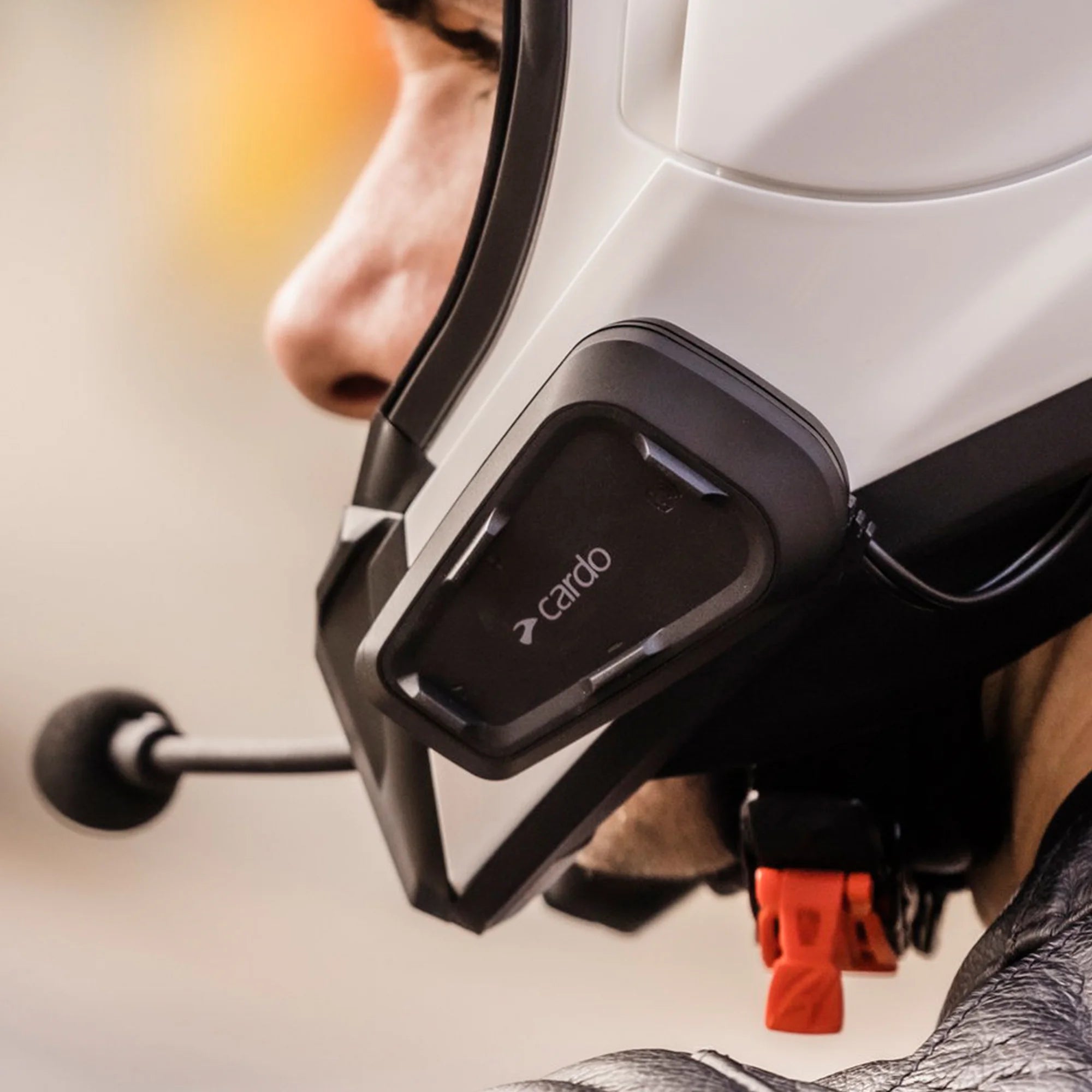
A helmet is an acoustic nightmare. Noise is turbulent, directional, and constantly changing. Wind doesn’t flow — it attacks, arriving in unpredictable bursts from every angle imaginable. Most ANC systems are tuned for polite, repeatable noise. Motorcycle wind is neither.
That’s why “adapted headphone ANC” usually disappoints on bikes.
It reacts too slowly. It gets confused. Or worse — it overcorrects and makes things feel artificial or unsafe.
To work on a motorcycle, ANC has to react fast, discriminate intelligently, and survive an environment that’s actively trying to sabotage it — all without blocking the sounds riders still need to hear.
This is the final boss of noise cancellation.
What Cardo Did (And Why It’s Different)
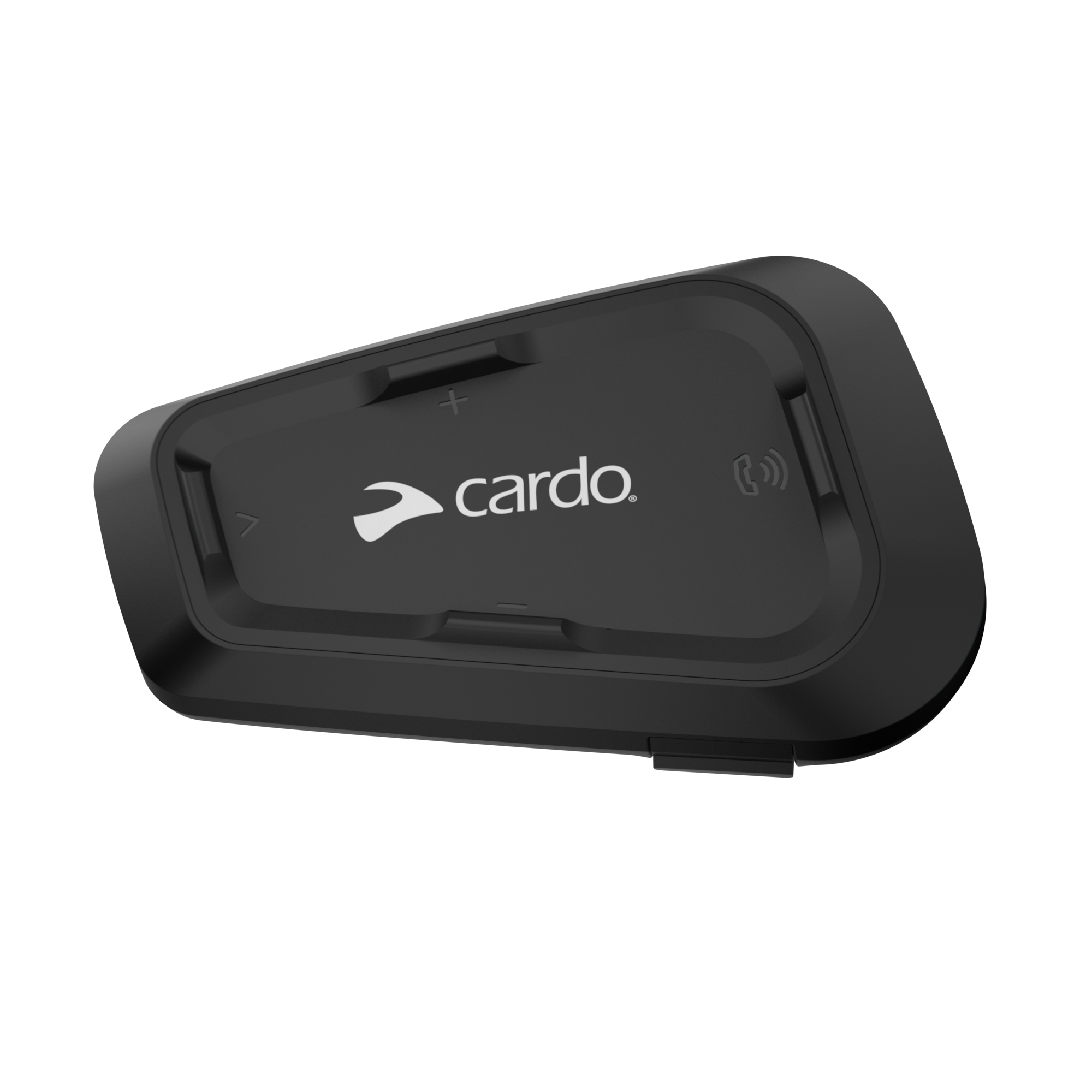
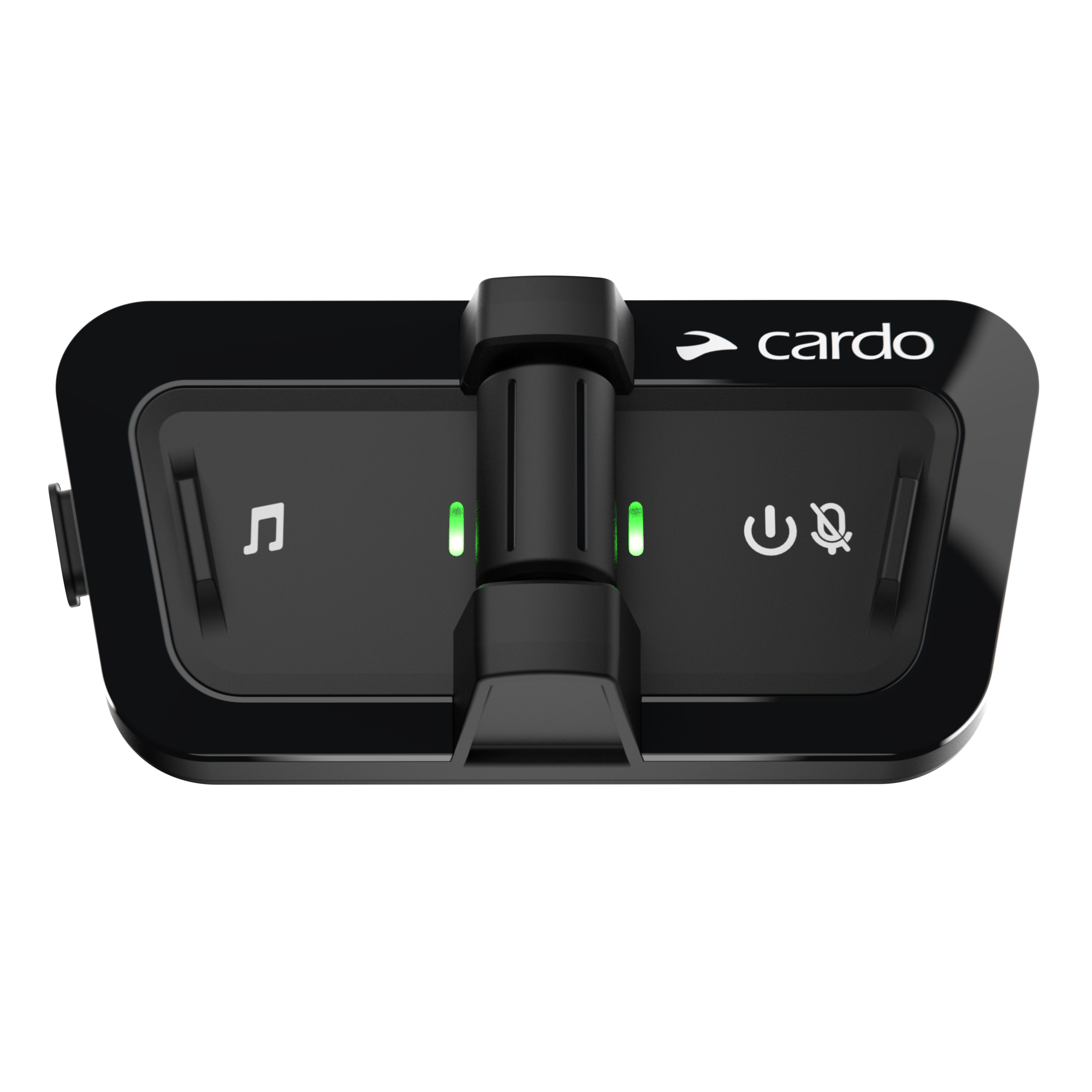
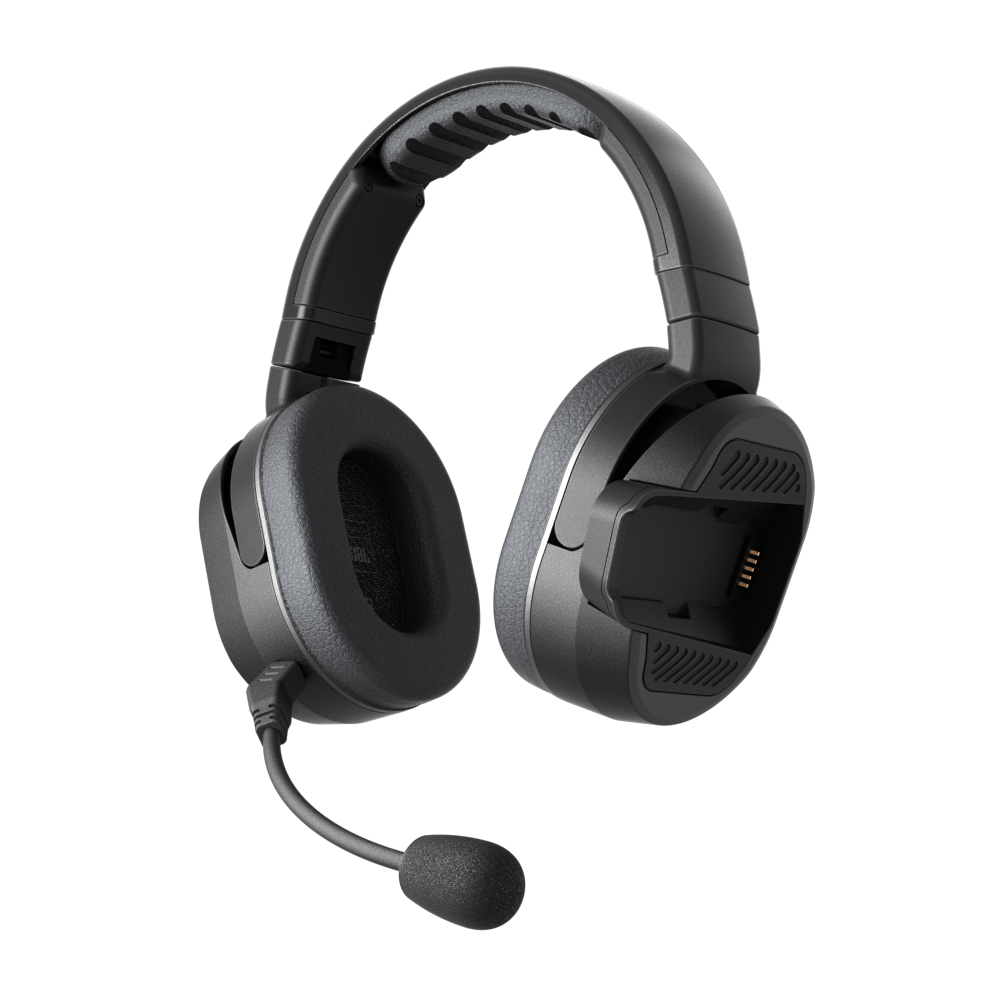
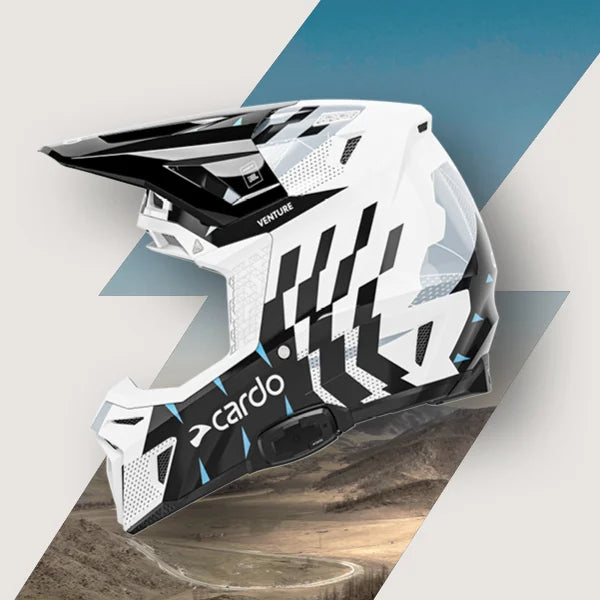
At Cardo, ANC wasn’t something we added.
It was something we designed the helmet around.
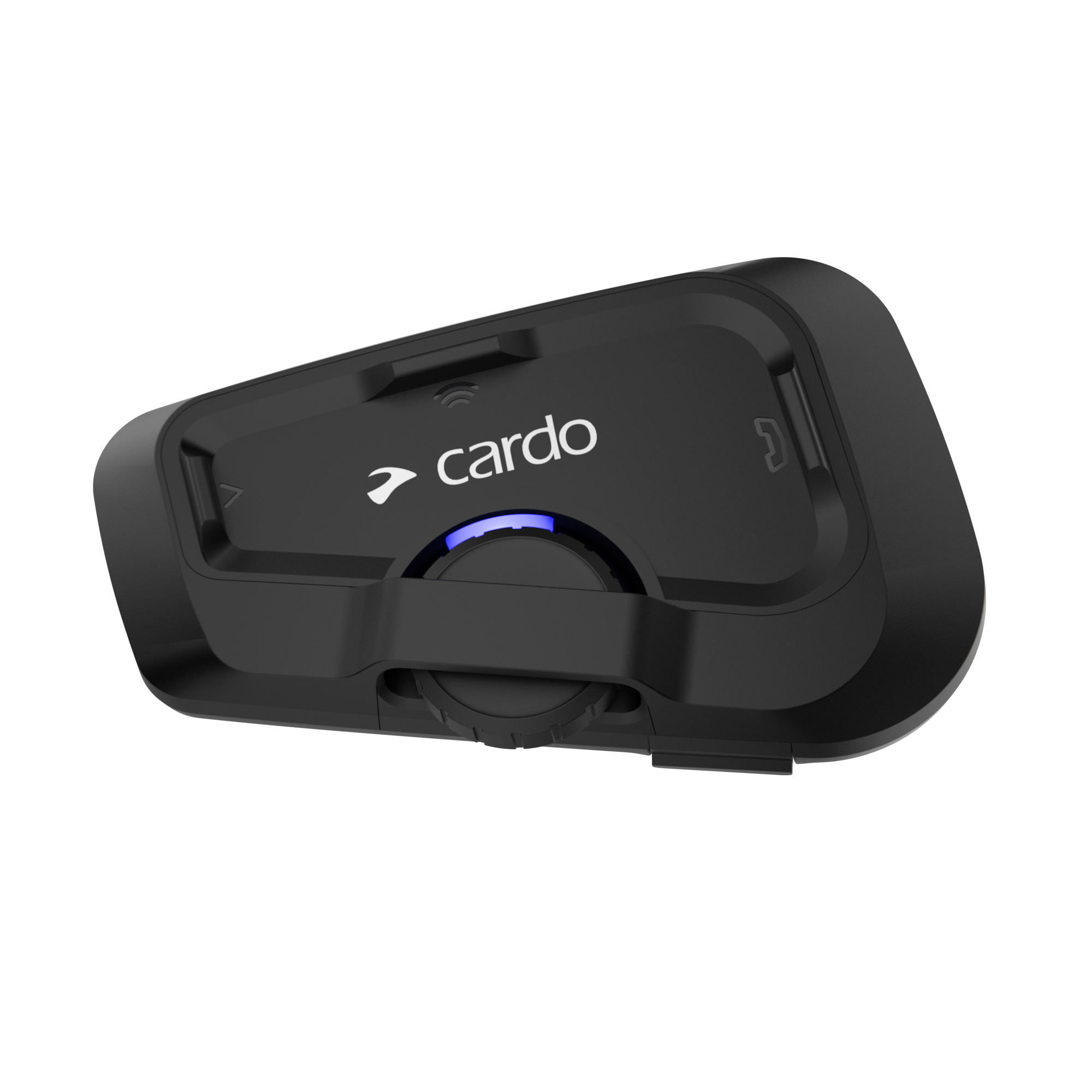
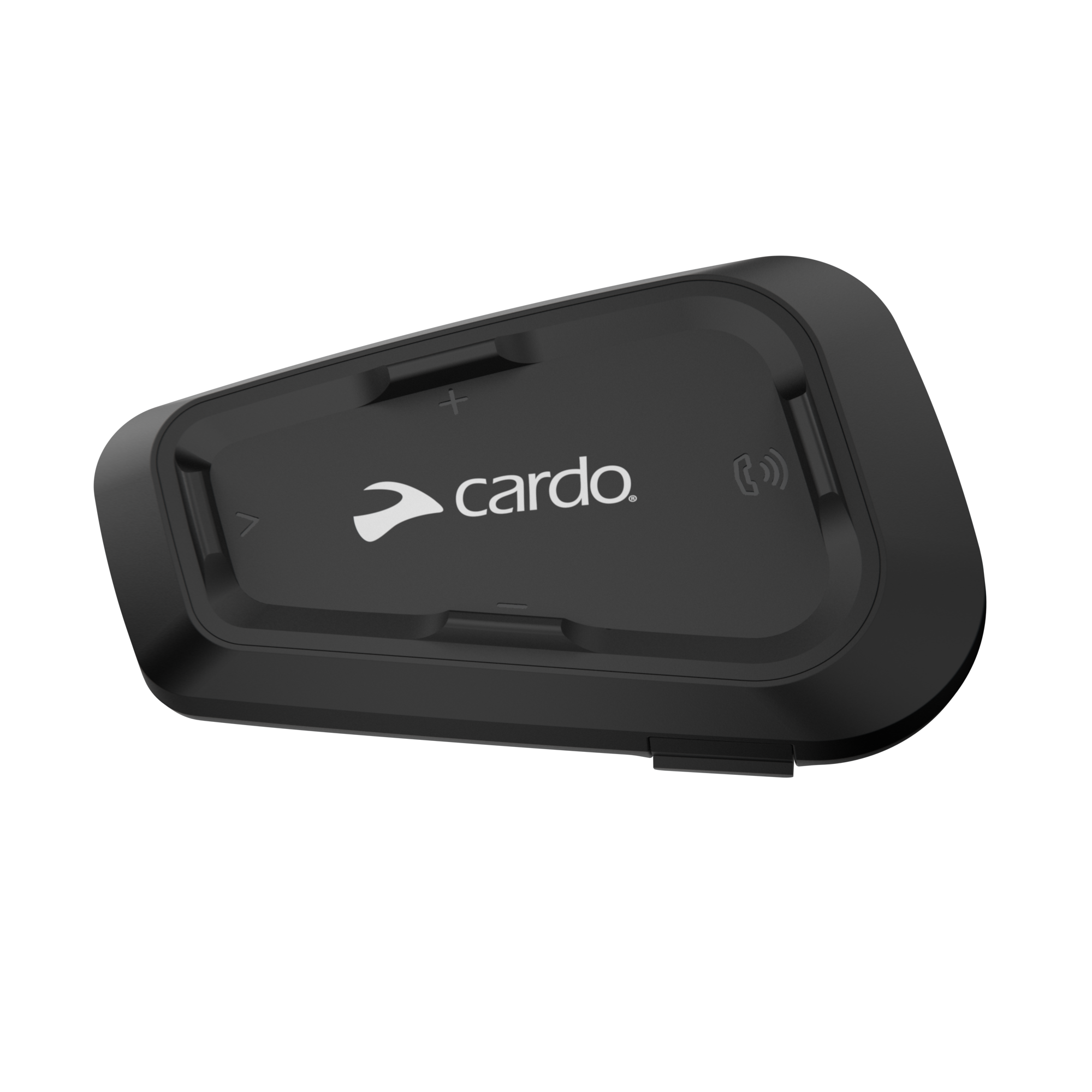
Our sound engineers at Cardo Sound Labs in Straubing, Bavaria built ANC specifically for high-noise, high-speed riding — the kind where wind turbulence arrives in sharp, unpredictable bursts.
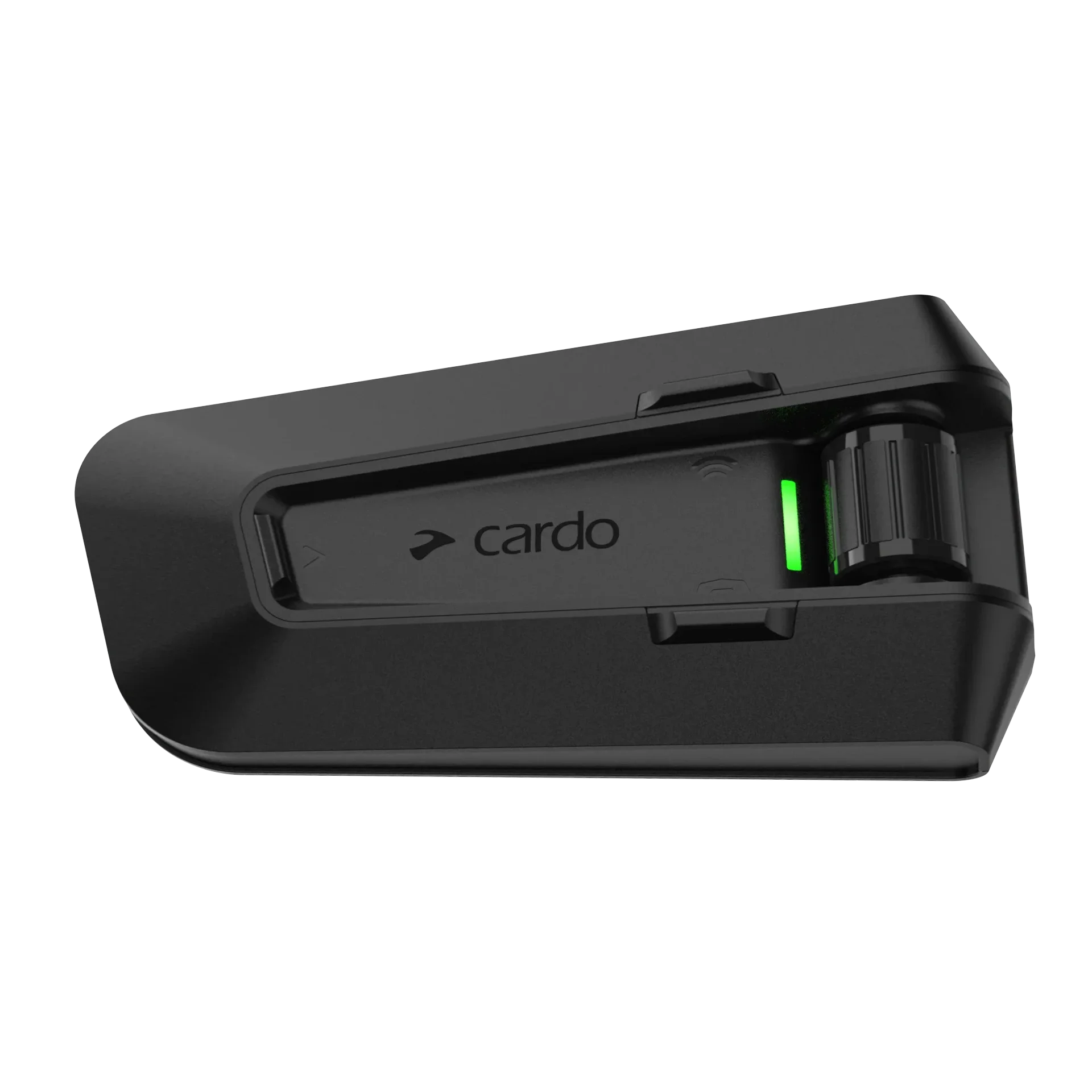
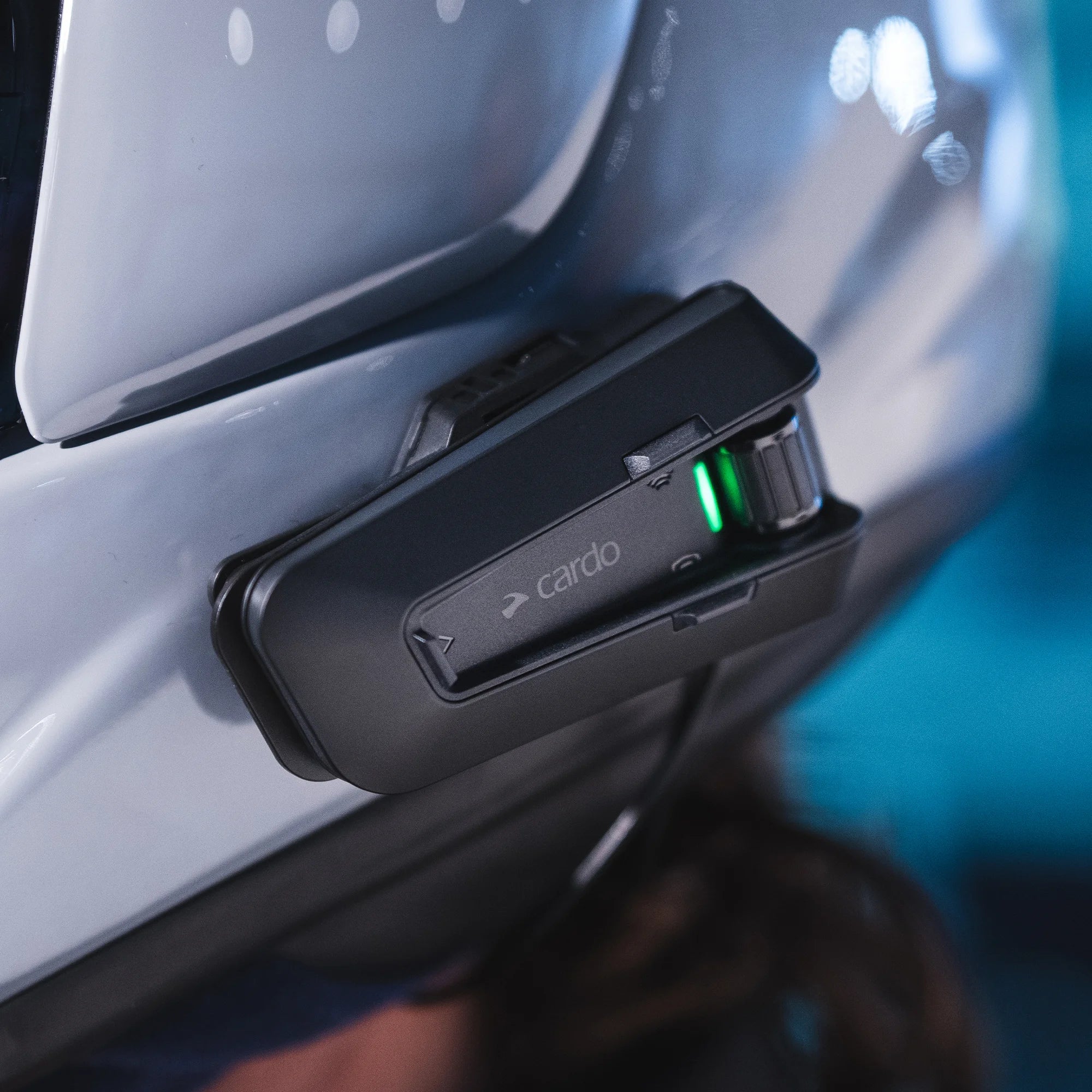
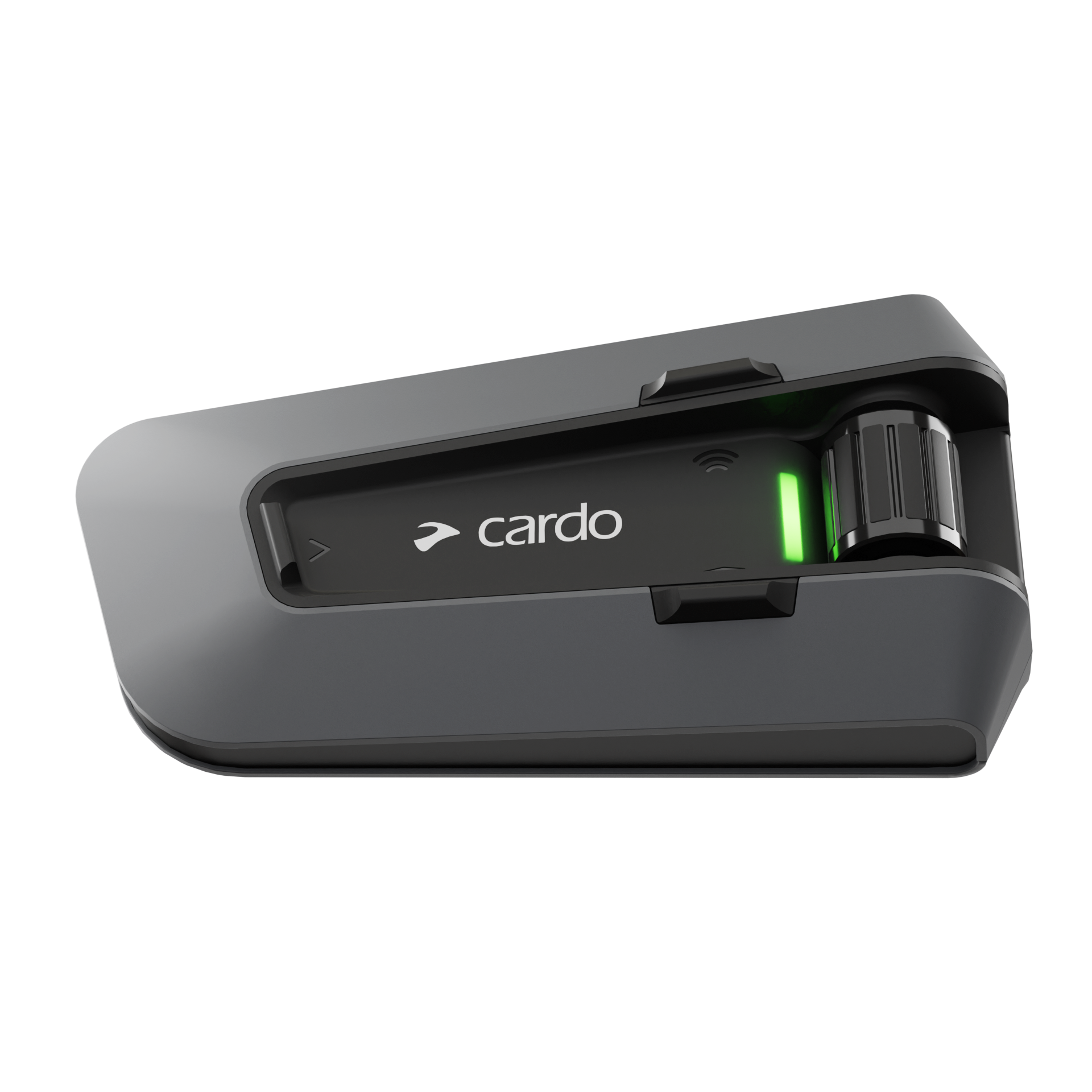
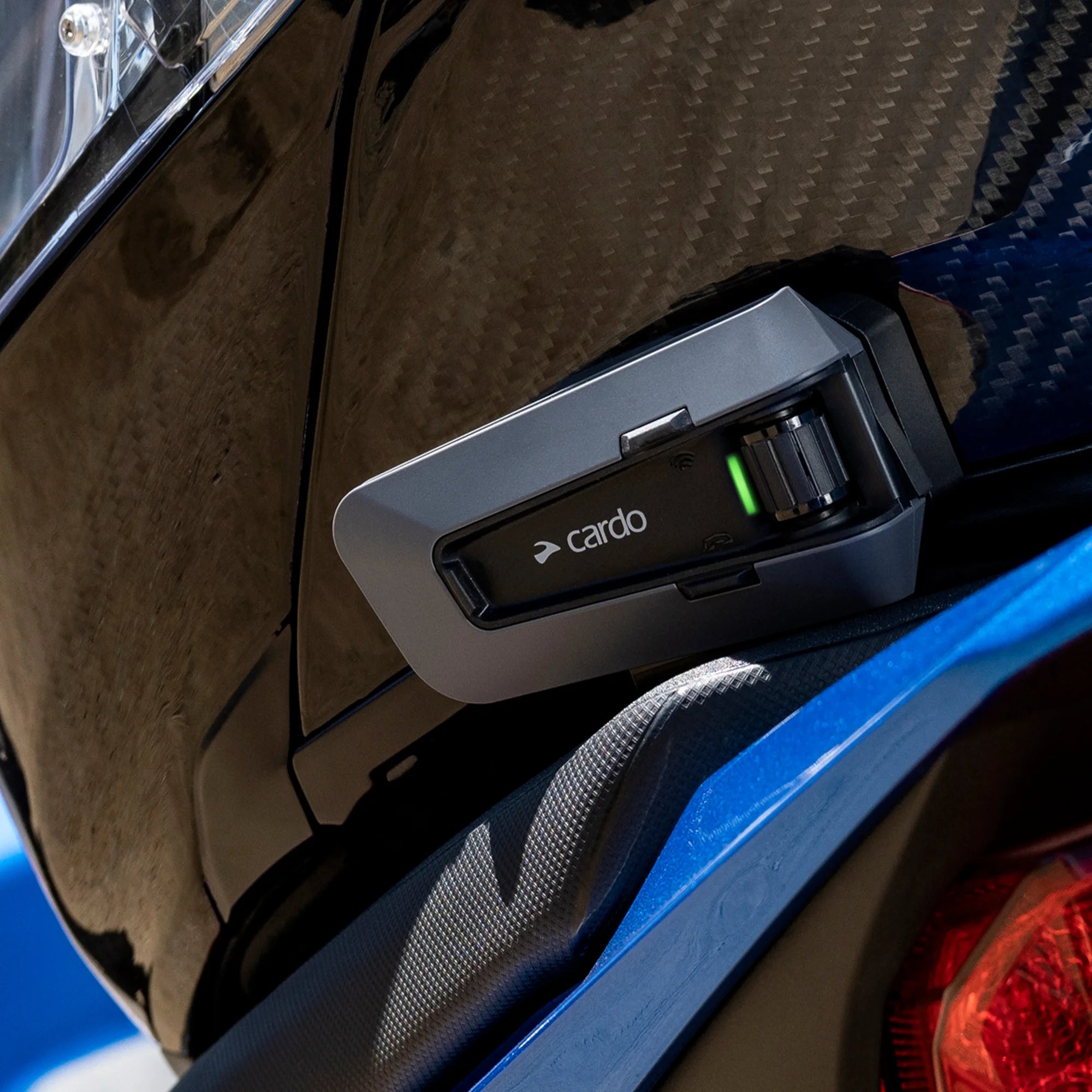
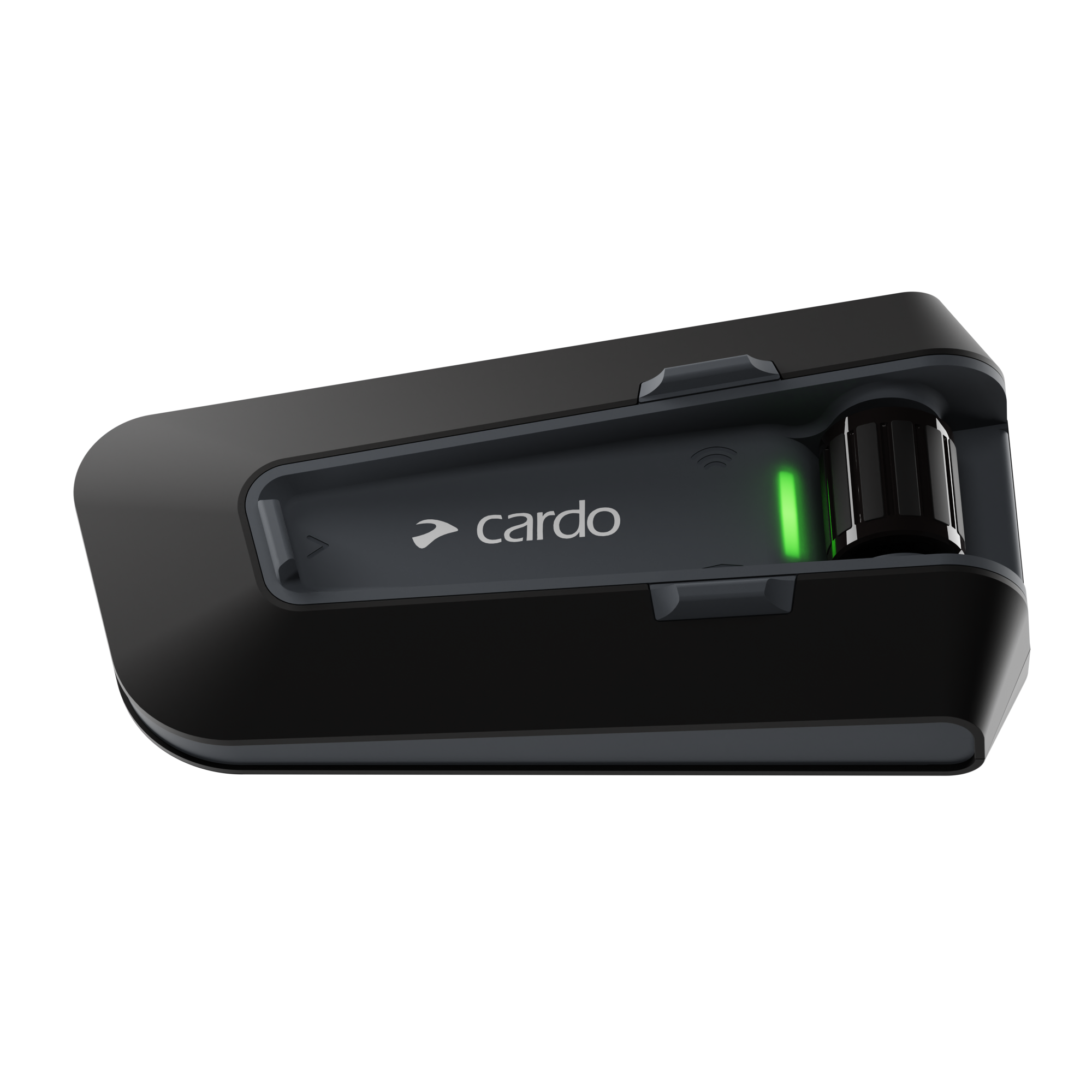
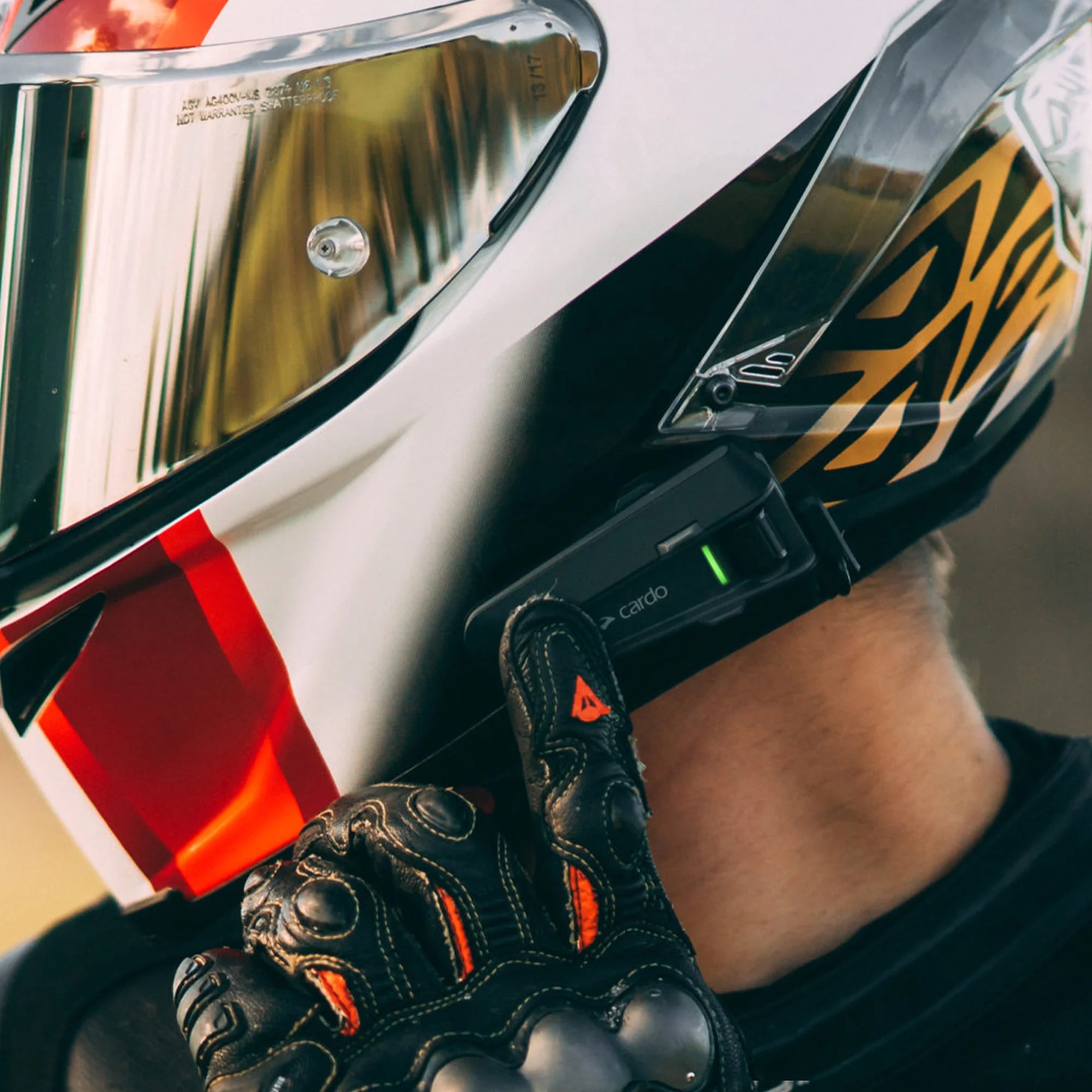
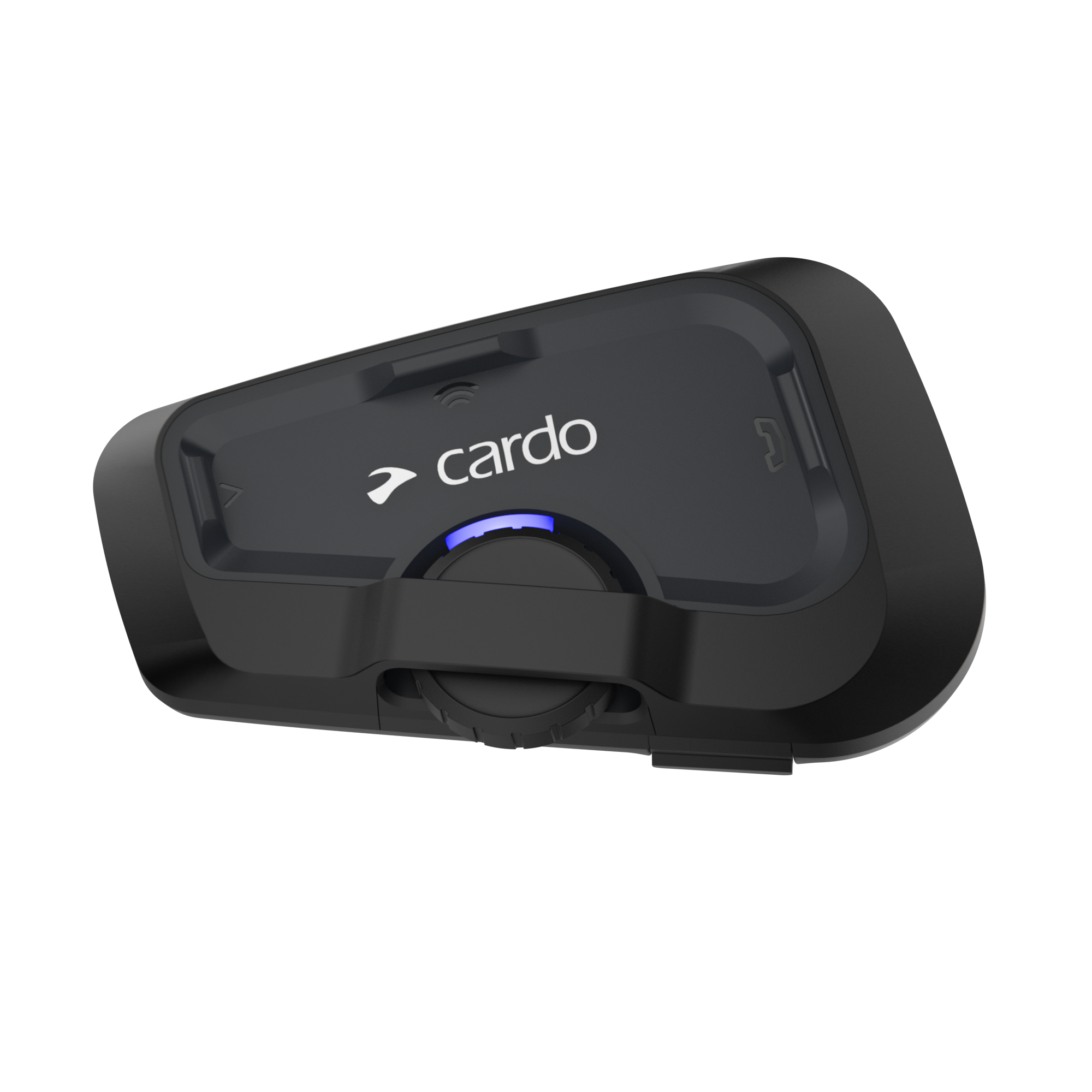
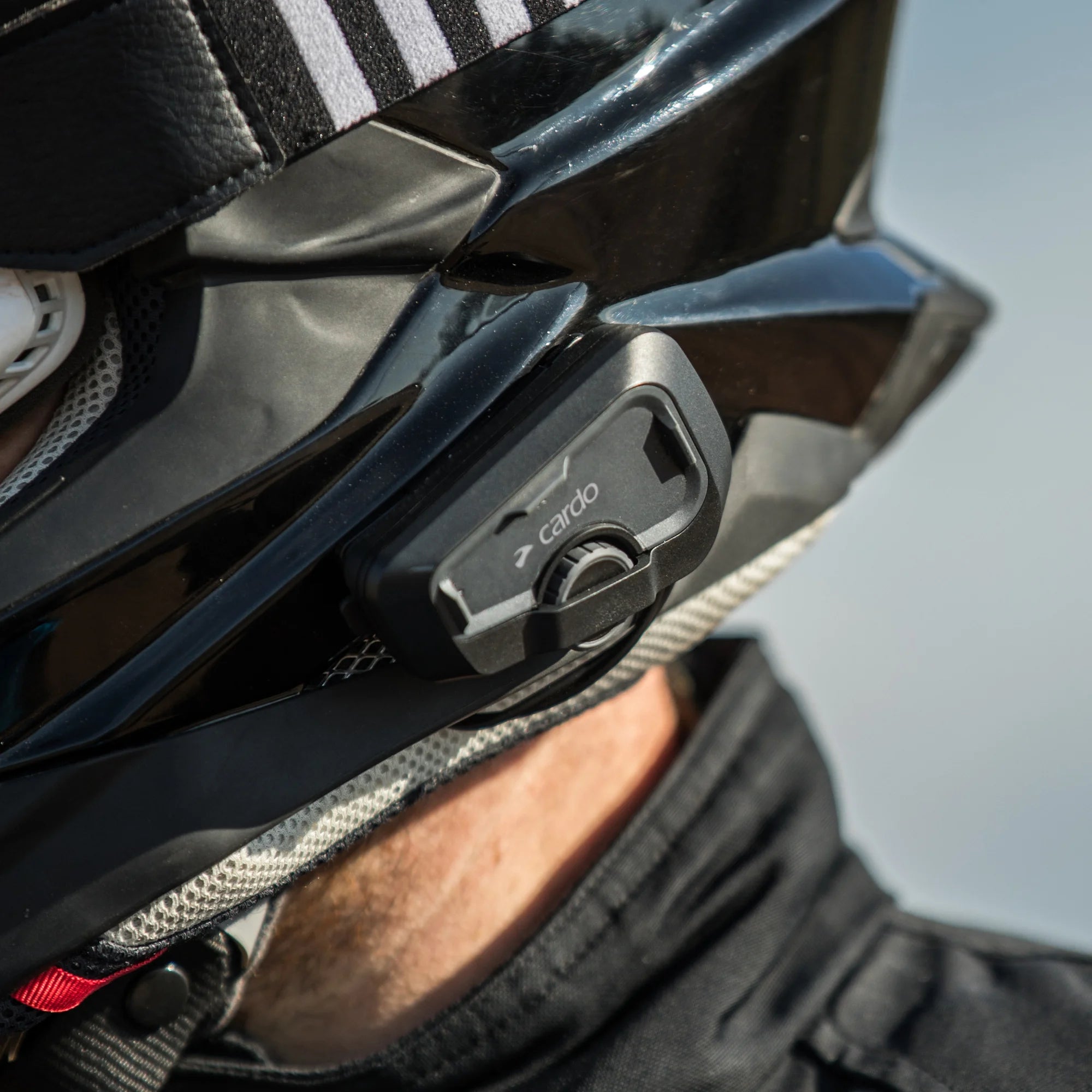
By pairing ultra-fast microphones near the rider’s ears with custom DSP hardware and proprietary algorithms, Cardo’s ANC doesn’t just smooth out steady noise — it actively reacts to sudden turbulence. The result is a reduction of noise energy by up to 8.4%, or 18 dB at peak, even in already brutal conditions.
Turns out, reinventing silence isn’t silent at all — it’s a lot of bloody engineering.
Technical Sidebar: Noise, Time, and Why Your Ears Are Losing
Here’s the part nobody tells you at the dealership.
Hearing damage isn’t just about how loud something is — it’s about how long you’re exposed to it.
According to occupational safety standards (like NIOSH), 85 dB(A) is considered safe for about 8 hours.
Every 3 dB increase halves that time.
Now let’s apply that to riding:
- ~85 dB(A): cruising around 50 km/h → safe for ~8 hours
- ~94 dB(A): about 100 km/h highway riding, typical highway speed → safe for ~30 minutes
- ~100 dB(A): 130–140 km/h sustained speed, spirited riding → safe for ~15 minutes
- ~110+ dB(A): high-speed wind turbulence → damage starts fast
That means a normal highway ride can exceed safe exposure limits before you’ve even burned through a tankful of gas.
Here’s where ANC changes the math.
A 6 dB reduction doesn’t sound dramatic — but the decibel scale, like the Richter scale we use to measure earthquakes, is logarithmic, not linear. A -6 dB change equals a 75% reduction in noise energy and quadruples the safe exposure time.
That’s like dropping your cruising speed from 100 km/h to about 55–60 km/h — without slowing down.
A 10 dB reduction cuts noise by a whopping 90%. Our human brain will try to compensate for the reduction by upping perceived sensitivity, so it may feel like the loudness was only cut in half. But in reality, those -10 dB reduce the stress on your ear to just one-tenth of the noise before the reduction.
Going back to our 100 km/h speed example, a drop of 10 dB means your ears feel like riding at 40–45 km/h.
An 18 dB peak reduction? That’s the difference between “endurance ride” and “arrive feeling human.” It’s like you are riding below city speeds — ~10–20 km/h. That same highway ride feels quieter than most riders have ever experienced without earplugs — all without touching the throttle.
Same road. Same speed.
Very different consequences.
That’s why ANC isn’t just about riding quieter — it’s about riding longer without paying for it later.
Why You Should Care (More Than You Think)
Here’s the uncomfortable truth:
Helmet noise isn’t just annoying — it’s damaging.
At highway speed, many helmets expose your ears to around 94 dB(A). That’s enough to cause hearing damage in under 30 minutes. Ride faster, or longer, and the math gets ugly very quickly. Noise fatigue creeps in, focus drops, reaction times stretch, and what started as a great ride quietly turns into work.
Now here’s the flip side.
Drop the noise by just 6 dB, and your safe exposure time more than doubles. Drop it further, and suddenly long rides don’t feel like endurance tests anymore. You arrive less tired. More alert. More willing to keep going.
ANC isn’t about comfort for comfort’s sake.
It’s about mental bandwidth, hearing preservation, and staying sharp when it matters — five hours into a ride, not just five minutes.
Why This Actually Matters
This isn’t about luxury. It’s about longevity.
Noise fatigue dulls focus. Hearing damage is permanent. And riding shouldn’t feel like a trade-off between enjoyment and endurance. With effective ANC, riders can go longer, faster, and safer, without pushing their hearing past its limits.
Silence, it turns out, isn’t the enemy of riding.
Uncontrolled noise is.
ANC doesn’t take away the soul of the ride.
It takes away the stuff that tries to drown it.
This is why ANC isn’t a gimmick.
It doesn’t just make riding quieter — it buys back time, focus, and hearing you don’t get to replace later.
Your bike has redlines.
So do your ears.