




The Short Answer: Whether you need to wear a helmet while snowboarding depends on local regulations, resort rules, and your age. While medical experts universally recommend helmets for all riders, legal mandates vary. Many resorts require helmets for children, terrain park users, or lesson participants, though blanket mandates for all adult riders remain less common depending on the region and country. Always check your destination resort's specific rules and local laws before heading out.
You might think that snowboarding is just riding around on powdery snow that will support you whenever you fall, but a warm hat might not be enough to protect you from head injuries on the slopes. There are all kinds of potential hazards lurking just beneath the snow, including rocks and trees with hard surfaces, as well as the risk of an avalanche. A study indexed by the National Institutes of Health (NIH) demonstrates that wearing a helmet while snowboarding can significantly reduce the risk of head injuries by up to 35 percent in adults and up to 59 percent in children. What’s more, helmet usage has surged to around 80 percent over recent years as more riders become concerned with their overall health and well-being.
So, do you need to wear a helmet to snowboard?

Yes, children and adults should wear a helmet when snowboarding, according to medical experts. But the lodge or park where you ski may not require you to do so. It’s not uncommon to see experienced snowboarders on the slopes without a helmet, but that doesn’t mean you should follow in their footsteps. Doing tricks and flips only increases your risk of head injury, so be sure to wear a helmet when you hit the ramp.
Where Are Helmets Required? (Rules by Region)
Because laws and mandates differ significantly around the globe, here is a breakdown of verified helmet requirements by region:
|
Region / Country |
Requirement Summary |
Verification / Legal Basis |
|---|---|---|
|
Italy |
Mandatory for all riders on designated slopes. |
Legislative Decree 40/2021 mandates CE-certified helmets for all ages, backed by fines and lift pass suspensions. |
|
Austria |
Mandatory for children under 15 in 7 of 9 federal states. |
Provincial laws enforce helmet use for minors in most states. Tyrol and Vorarlberg have no state requirement, though local ski schools enforce it. |
|
Poland |
Mandatory for children under 16. |
Compulsory by law for youth; non-compliance risks fines and ski pass confiscation. |
|
Slovakia |
Mandatory for children under 15. |
Enforced by national winter sports safety laws for youth. |
|
Slovenia & Croatia |
Mandatory for children under 14. |
Statutory requirement for minors on groomed slopes. |
|
Spain & Andorra |
Strongly recommended; mandatory for off-piste or specific terrain areas. |
Local resort regulations and safety guidelines require helmet use for off-piste riding. |
|
United States & Canada |
Generally not legally mandated for adults at the state/provincial level (Exception: Nova Scotia mandates helmets by law). |
Regulated at the resort level; most resorts mandate helmets for terrain parks, kids' lessons, or employee operations. |
|
France, Germany, & Switzerland |
No national legal mandate for adults or children. |
Strongly recommended; ski schools independently mandate helmets for children's group lessons. |
How to Choose a Snowboard Helmet
Choosing the right snowboard helmet comes down to safety certifications, a snug fit, and goggle compatibility:
-
Check Safety Standards: Look for safety ratings like ASTM F2040 (US standard) or CE EN 1077 (European standard). These certifications verify that the helmet has undergone rigorous impact and penetration testing.
-
Measure for Proper Fit: Use a flexible tape measure wrapped horizontally around your head just above your eyebrows and ears. A properly fitting helmet should feel snug without creating painful pressure points. Unfasten the chin strap and shake your head gently; if the helmet shifts around independently, it is too loose.
-
Eliminate the "Goggle Gap": Test your helmet together with your snowboarding goggles. Ensure the top brim of the helmet sits flush against the top edge of your goggles. You should aim to leave no forehead gap (often called the "goggle gap" or "gaper gap"), which exposes your forehead to cold wind, frostbite, and impact hazard.
-
Choose Your Style: You can choose either a full-face or half-face helmet when riding. Both reduce the risk of head trauma, though half-face helmets require pairing with a solid set of goggles.
Children should use helmets specifically designed for young riders, and most models feature adjustable fit dials or straps to fine-tune sizing. If you wear extra ear protection in a severe cold, choose pairs that wrap around the back of your neck rather than over your head.
Why You Should Wear a Helmet While Snowboarding
The helmet is designed to absorb the shock of an impact to protect your head and neck. You may still get hurt if you get into a severe collision, but wearing a certified helmet significantly reduces injury severity.
It also provides essential insulation from the elements. By preventing body heat from escaping through the top of your head, a helmet keeps your core body temperature stable when mountain weather turns bad.
Helmet Communication: Use the Packtalk Outdoor with or without a Helmet

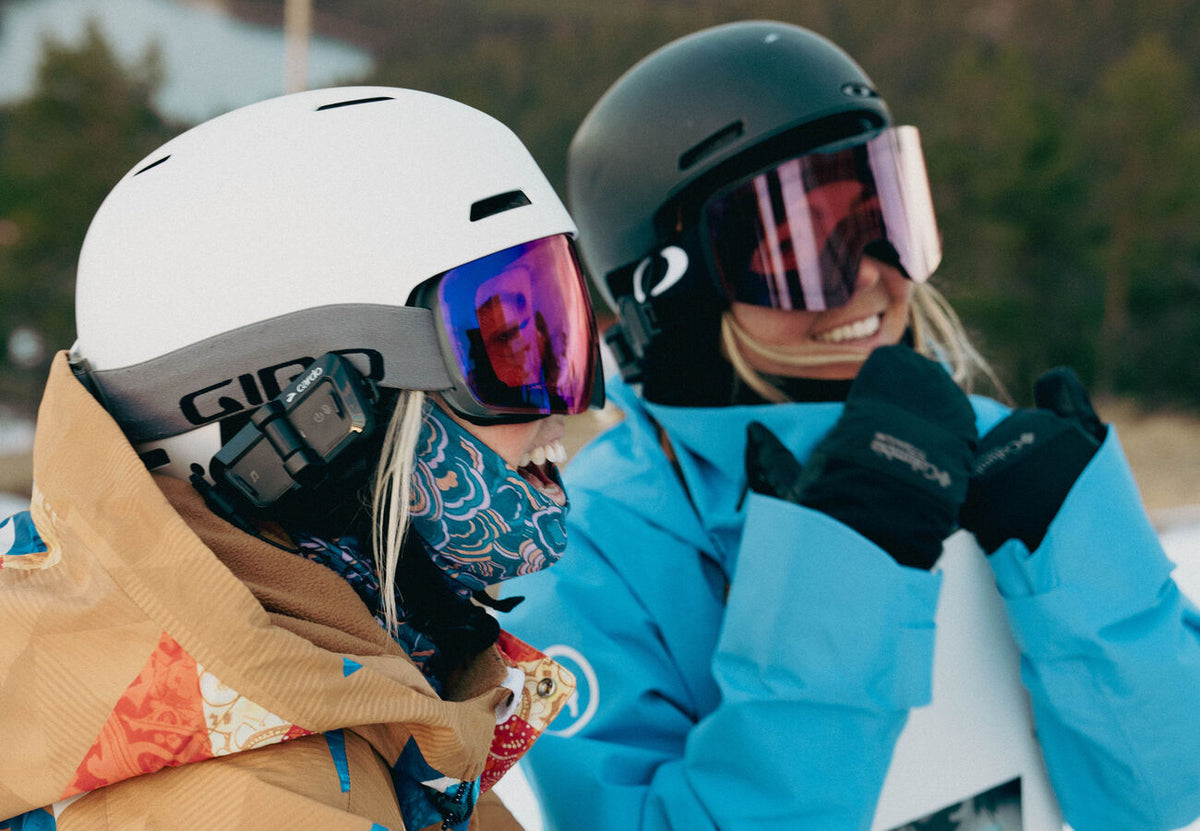
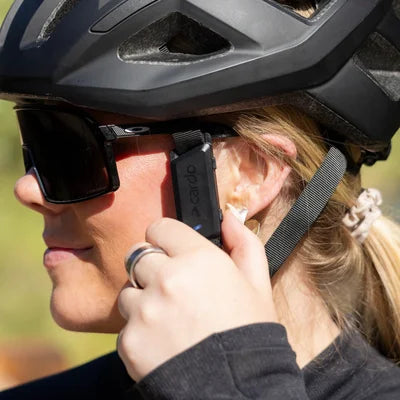
Wearing a helmet makes it easy to use a helmet communication device on the trail. Most Bluetooth headsets mount directly onto your helmet to keep the mic and speakers aligned without blocking out ambient environmental sounds. The device offers hands-free communication by connecting to your phone via Bluetooth so you can take calls or stream audio.
When shopping for a wireless headset, make sure the device won’t inhibit your ability to wear a helmet correctly. Helmets aren’t built to accommodate standard earbuds like Apple AirPods, as the interior ear pads crush the buds into your ears, causing discomfort and cutting off critical spatial awareness.
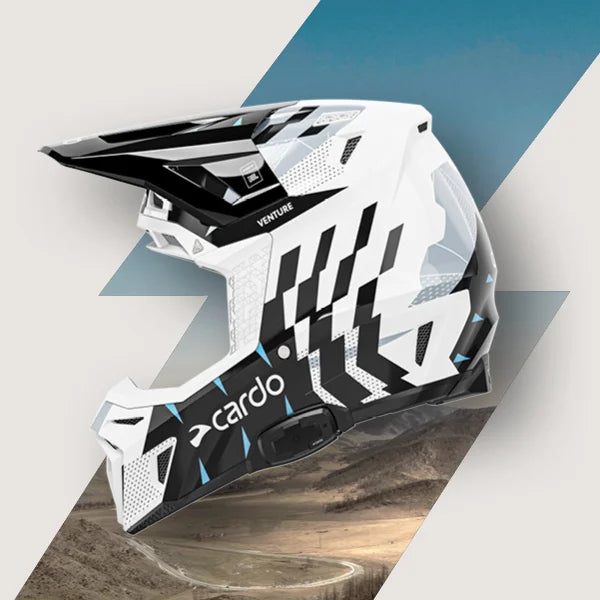
Use the Packtalk Outdoor to keep in touch with your companions comfortably. Equipped with JBL speakers, it mounts securely onto your helmet to deliver clear audio without compromising safety.
Use Helmet Communication to Stay Connected on the Trail
Keeping up with your group can be a challenge on the mountain. The Packtalk Outdoor utilizes Dynamic Mesh Communication to create a direct link between you and your riding partners. It automatically reconnects as soon as you come back within range of another rider, eliminating the need to stop and re-pair devices manually. Helmet communication allows you to check in with your group effortlessly without having to unbuckle gear at the bottom of the run.
Playing it safe on the slopes starts with wearing a helmet. It keeps you warm, protects against serious head injuries, and makes group communication seamless. Keep these tips in mind to enjoy your time on the mountain safely.